Mailchimp
Not subscribed to OpsMatters Newsletter


When monitoring highly distributed applications, which might rely on hundreds of services and infrastructure components across multiple cloud-based and on-premise environments, identifying problems and pinpointing the origin of an issue can be challenging. Even if you already have robust monitoring and alerts, your infrastructure and applications will likely change over time, which may make it difficult to reliably detect irregular behavior.
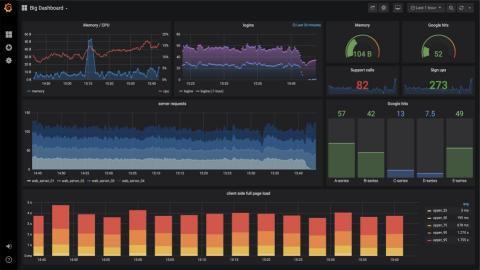
As everyone knows, the Grafana project began with a goal to make the dashboarding experience better for everyone, and to make it easy to create beautiful and useful dashboards like this one. But as Andrej Ocenas, a full stack developer at Grafana Labs, said in a recent FOSDEM 2020 presentation, the company has bigger ambitions for Grafana than just being a beautiful dashboarding application. What Grafana Labs is really aiming to do now is make Grafana into a full observability platform.
When we first launched Oh Dear, we had a fixed certificate expiration timer: 14 days. As soon as the expiration date came within 14 days, we'd start sending a daily reminder to hurry up and renew those certificates. Our first exception was made when Let's Encrypt gained more in popularity. We started notifying Let's Encrypt certificates 7 days before expiration date.
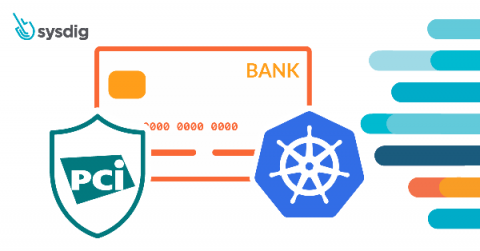
In this blog, we will cover the various requirements you need to meet to achieve PCI compliance, as well as how Sysdig Secure can help you continuously validate PCI compliance for containers and Kubernetes. Learn how to meet PCI Compliance Requirements for Container and Kubernetes Environments!
Rancher 2.4 is here – with new under-the-hood changes that pave the way to supporting up to 1 million clusters. That’s probably the most exciting capability in the new version. But you might ask: why would anyone want to run thousands of Kubernetes clusters – let alone tens of thousands, hundreds of thousands or more? At Rancher Labs, we believe the future of Kubernetes is multi-cluster and fully heterogeneous.