Mattermost v6.1 is now available
Mattermost v6.1 is generally available today and includes the following new features (see changelog for more details).


The latest News and Information on DevOps, CI/CD, Automation and related technologies.
Mattermost v6.1 is generally available today and includes the following new features (see changelog for more details).
The world has changed since I started out on a help desk in Colorado 25 years ago. In those long ago years, a company’s desktop machines actually lived under the desks of many in the organization (and often doubled as a foot warmer!) and configuration was done machine by machine manually, or maybe even by some script that was created to run at login if we were lucky. If there were laptops in use by the business users, they were a lot less mobile and rarer than in today’s business world...
Tomas Fedor, Head of Infrastructure at Productboard, is here to talk about his personal passions and professional perfections. Tomas takes us through some of his biggest adaptations he had to make when adopting the cloud. He also tackles the complexities of working through his POC process, and how to keep consistencies across various teams. Teams are a central focus for Tomas as well, and his techniques and experiences in growing and leading specific technical teams is insightful.
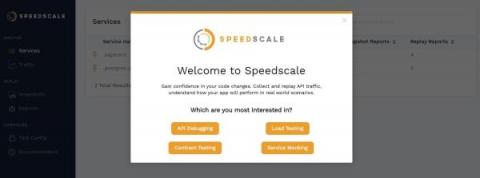
For the first time, Kubernetes engineering teams interested in learning more about Speedscale will be able to play with the framework without registering, at play.speedscale.com. Engineers can see firsthand how you: While users won’t be able to actively watch replays run, there are a variety of pre-created traffic snapshots, reports and configs to browse. Engineers will be able to experience the ease with which snapshots are generated for fast, scalable test automation.
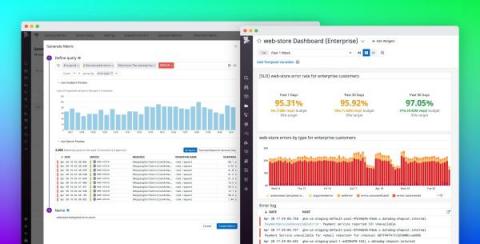
Tracing has become essential for monitoring today’s increasingly distributed architectures. But complex production applications produce an extremely high volume of traces, which are prohibitively expensive to store and nearly impossible to sift through in time-sensitive situations. Most traditional tracing solutions address these operational challenges by making sampling decisions before a request even begins its path through your system (i.e., head-based sampling).
Willy Tarreau, the founder of the HAProxy load balancer, 20 years past its initial, open-source release, still guides the project, often submitting code patches and writing long and meticulous replies on the community forum. Over the years, he has been joined by a cast of regular contributors, but also newcomers. This collaboration has kept the project evolving over time. In this interview, Willy describes his views on the success of the project, and how it grew over the years.
So you’ve just created a new project and want to start distributing it, but you still don’t know how to manage its deployment. Then there’s the monitoring, network request, and a lot of other problems related to modern apps. At the same time, you want to avoid working directly with AWS due to its intricacy.