Operations | Monitoring | ITSM | DevOps | Cloud

The latest News and Information on DevOps, CI/CD, Automation and related technologies.

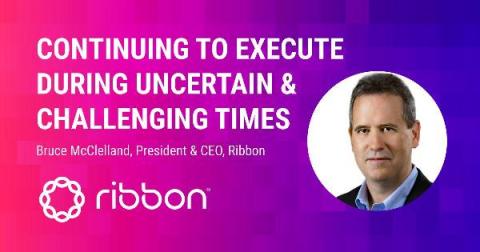
Continuing to Execute During Uncertain and Challenging Times

We are rapidly approaching the six-month mark of the COVID-19 global pandemic and expect to be living with its effects for the foreseeable future. While our Ribbon business has not been immune from this once in a lifetime public health crisis, together we have managed it very effectively and kept our customers first! This is largely due to the extraordinary efforts of our people, along with the quick actions and decisions we took to change our work model and carefully manage expenses.


Security Policy Self-Service for Developers and DevOps Teams

In today’s economy, digital assets (applications, data, and processes) determine business success. Cloud-native applications are designed to iterate rapidly, creating rapid time-to-value for businesses. Organizations that are able to rapidly build and deploy their applications have significant competitive advantage.

How Value Stream Management Uses Observability to Optimize Flow

This is the second in a three-post series themed around Ops-led DevOps, where I explore the relationship between observability and a set of software delivery lifecycle practices that support the adoption of DevOps principles and the transition from project to product centric ways of working. I started with Site Reliability Engineering, here I consider Value Stream Management (VSM) and I will finish with Continuous Delivery. Defining VSM Forrester defines VSM as.

KubeCon Europe 2020 Wrapup

KubeCon + CloudNativeCon Europe 2020 Virtual happened online, August 18-20. It was the first virtual KubeCon, due to the coronavirus pandemic. I was happy to attend, although this was the second straight virtual conference I’ve participated in that ran on Amsterdam time. I did make it up for the 4 AM Pacific time start, though, and I was ready to go. As I got settled in, in front of my laptop, I knew I would be missing the hallway track a lot.

How to Monitor Your Kubernetes Cluster: Prometheus vs Datadog

So you’ve got a shiny new Kubernetes cluster up and it’s a dream. Deploying code is easy, scaling is a breeze, and you’ve never felt so efficient. However, despite claims that Kubernetes is self-healing, there’s still a nagging feeling in the back of your mind that wants to make sure your cluster is running smoothly. Just like any other tool, you need a monitoring solution to give you insight into Kubernetes.

Best Certifications for IT Professional Careers

The job market for IT professionals right now is challenging. Whether you’re seeking your first job in IT or looking to further your career into a more pronounced and distinguished role, certifications serve as a way to separate from the crowd of applicants. Certifications show a functional level of proficiency, often making them more valuable than college degrees in certain entry-level positions, and just as valuable as years of experience in more established roles.

How to automate across Jira & Gitlab (Cloud)

We recently released new Jira automation triggers that allow you to automate your work directly from Gitlab (and BitBucket, Github) to Jira Cloud. Now Devs can focus on code instead of switching context and project owners will know Jira is always up to date. In this webinar, co-hosted with Gitlab, learn four use cases to help get you started.

How to create an Azure storage lifecycle management policy

Whether you are using our Cloud Storage Management software to gain insights into your Azure storage environment, or are just trying to work out how to save costs within Azure, creating a lifecycle management policy is a great idea to help you save in your Azure storage costs.

For Helm Chart Dependencies, Depend on ChartCenter

ChartCenter is a free Helm chart central repository that was built to help the Helm community find immutable, secure, and reliable charts for publicly available Kubernetes apps. With ChartCenter, you have a single source of truth to proxy all public charts from one, always available location. Without ChartCenter, you need to add each Helm chart’s repository to the Helm client for every Kubernetes app you want to install and update.