The latest News and Information on DevOps, CI/CD, Automation and related technologies.
Think of orgs with lots of data and it’s impossible to not think of Netflix. In a new Netflix Technology Blog, titled "Byte Down: Making Netflix’s Data Infrastructure Cost-Effective", their Platform Data Science & Engineering team describe their data infrastructure "which is composed of dozens of data platforms, hundreds of data producers and consumers, and petabytes of data.” At this scale, cost-effectiveness is a critical matter of success and failure.
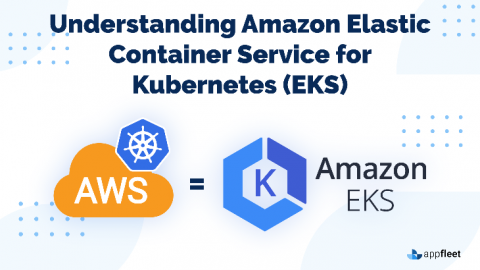
Amazon Elastic Container Service for Kubernetes or EKS provides a Managed Kubernetes Service. Amazon does the undifferentiated heavy lifting, such as provisioning the cluster, performing upgrades and patching. Although it is compatible with existing plugins and tooling, EKS is not a proprietary AWS fork of Kubernetes in any way. This means you can easily migrate any standard Kubernetes application to EKS without any changes to your code base.
Normally we would have launched our 2020 State of DevOps survey a couple of months ago instead of today. But with all of us adjusting to working from home, often with kids also at home or other loved ones to care for, we recognized that the last thing anyone should focus on was taking a survey. So we’re late. The additional time to plan, however, gave us the chance to consider some new and interesting pathways to explore.
In our recent “IT Ops Demystified – Event Chaos or Enrichment?” webinar our field CTOs discuss how enrichment can help reduce operational costs by an order of magnitude. Here is a quick overview of all the goodness that you’ll be watching.
Site Reliability Engineering (SRE) is a practice for managing the reliability of systems that began at Google in the early 2000s. Ben Treynor Sloss from Google started the first SRE team and coined the name.