Operations | Monitoring | ITSM | DevOps | Cloud

The latest News and Information on DevOps, CI/CD, Automation and related technologies.

Managed Kubernetes Comparison: EKS vs Scaleway Kubernetes Kapsule

The container orchestration tool Kubernetes helps an increasing number of companies to automate, scale, and manage their containerized application deployments. According to the Cloud Native Computing Foundation, the open-source software foundation that hosts and maintains Kubernetes, adoption of the platform increased from seventy-eight percent in 2019 to eighty-three percent in 2020.
CFEngine bootstrap with Ansible

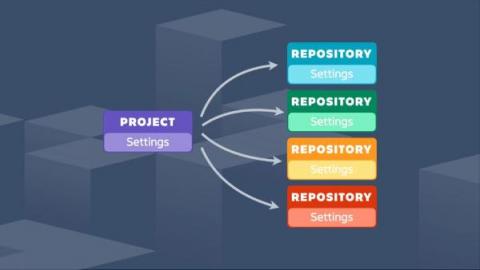
CFEngine and Ansible are two complementary infrastructure management tools. Findings from our analysis show that they can be combined and used side by side with joint forces to handle all areas in the best possible way. Part of infrastructure management is hosts deployment, either when building a brand new infrastructure or when growing one by adding new hosts.

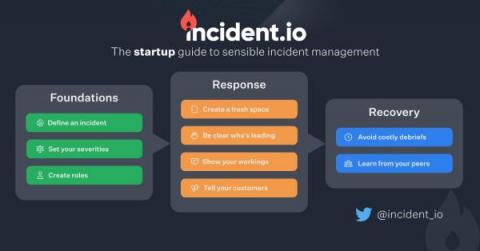
The startup guide to sensible incident management

If you’re working at an early stage startup and looking to get some good incident management foundations in place without investing excessive time and effort, this guide is quite literally for you. There’s an enormous amount of content available for organisations looking to import ‘gold standard’ incident management best practices – things like the PagerDuty Response site, the Atlassian incident management best practices, and the Google SRE book.

Get the most out of your Hyper-V infrastructure using ManageEngine OpManager

Virtualization is the technique of creating a software-based virtual version of something, whether that be computers, storage, networking, servers, or applications. Virtualization creates a virtual layer over the hardware, enabling the creation of virtual machines (VMs), which are virtual computers that you can run multiple of on a single piece of hardware.

Linux Server Management in 2022

Linux server management is an integration of cybersecurity and business objectives. Linux server management at scale is a vastly different activity from interacting with a terminal on one machine. The best Linux server management tools universally offer a server management GUI within a web browser. Implementation details matter, especially in a pay-for-compute world. Sysadmin tools that don’t have a lightweight footprint increase overall compute costs.