Operations | Monitoring | ITSM | DevOps | Cloud

The latest News and Information on DevOps, CI/CD, Automation and related technologies.

Docker Swarm vs Kubernetes: how to choose a container orchestration tool

Businesses around the world increasingly rely on the benefits of container technology to ease the burden of deploying and managing complex applications. Containers group all necessary dependencies within one package. They are portable, fast, secure, scalable, and easy to manage, making them the primary choice over traditional VMs. But to scale containers, you need a container orchestration tool—a framework for managing multiple containers.

What if the industry didn't use Docker? - Geoffrey Huntley, GitPod

The recent announcements by the Docker corporation regarding pricing has prompted some organizations to consider moving to alternatives such as Podman which is - at its core - still Docker. Docker solved many problems in the industry related to distribution of software via encapsulation, but also created software supply chain problems.

From Terraform to GitOps to Pulumi

In a previous post, we talked about the increasing adoption of Platform Engineering teams. The post covered topics such as defining Platform Engineering and the roles and responsibilities of the team. When building an internal platform, a clear goal that many teams want to achieve is: Even though this is key to a successful platform team, this responsibility increases complexity, costs, support time, and more. Not to mention that this can be a long, very long journey.

Top 10 Benefits of Multi-cloud Strategy

To enjoy the cost and efficiency advantages of multi-cloud services while also protecting data, avoiding vendor lock-in, and setting the foundation for a smooth future development trajectory, businesses are quickly expanding their business models towards multi-cloud technologies. In this blog let’s explore the top ten benefits of multi-cloud strategy and know why you should have a multi-cloud strategy.
Sponsored Post

AIOps - What It Is, Why It Matters, and Advice for Adopting It

The link between DevOps and artificial intelligence for operations (AIOps) has only started to become clear within the last few years. Monitoring and alerting has evolved from a "black box approach," where you don't actually know what's happening, into observability, where you have access to data that provides everything you possibly need to know about your IT systems. How does AIOps come into play? AIOps is the practice of applying artificial intelligence, machine learning, and advanced analytics to automate and improve IT operations. Since it entered as a formal discipline with Gartner in 2016, IT teams have been trying to figure out how to employ it to make their lives easier.

Topio + JFrog | Scaling Continuous Software Delivery for Edge & IoT Applications

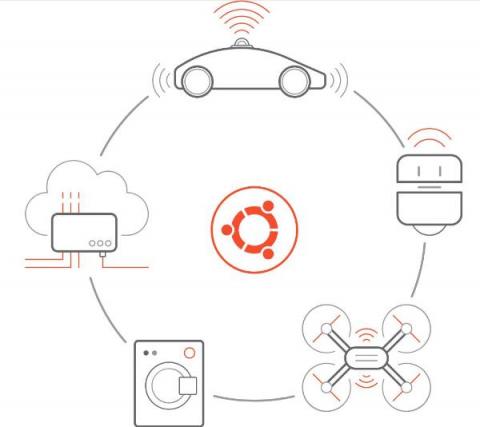
Enterprises came to expect that software that underpins their business can change at the speed of the market. Cloud-native technologies and modern DevOps tools enable enterprises to continuously deploy software updates across data centers and public clouds. But things often get slowed down when trying to update applications across mixed environments and large fleets of edges and IoT devices.