Operations | Monitoring | ITSM | DevOps | Cloud


The latest News and Information on DevOps, CI/CD, Automation and related technologies.

Building Reliable Applications Webinar 6 17 21

SRE's Guide to Chaos & Observability
When Disaster Strikes: Ensuring Your DRP Actually Works
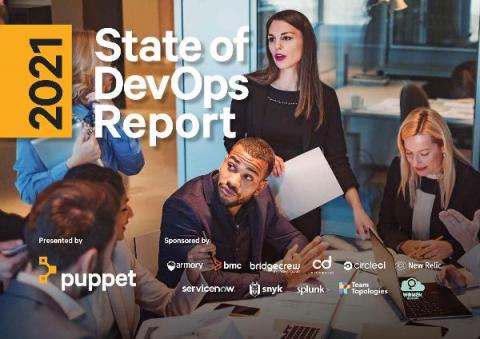
The 2021 State of DevOps Report is here!
You may be as surprised as I am that the 2021 State of DevOps Report is live on the site before the annual tradition of a summer holiday (for those of us in EMEA anyway). We may or may not have done this intentionally in order to provide you with quality vacation reading.
Choosing an API technology: gRPC, REST, GraphQL
How do you choose an API style and API technology when you start a new project? Today, if you look at API technology research such as RapidAPI Developer Survey and Insights, you’ll probably conclude that REST is the dominant force in the API landscape. While REST is certainly well-known to most developers and used in a lot of production environments, it may not be the best fit for every scenario.

How to mitigate DevOps tool sprawl in enterprise organizations
There’s an insidious disease increasingly afflicting DevOps teams. It begins innocuously. A team member suggests adding a new logging tool. The senior dev decides to upgrade the tooling. Then it bites. You’re spending more time navigating between windows than writing code. You’re scared to make an upgrade because it might break the toolchain. The disease is tool sprawl.
What is Git Bash?
As a version control system, Git is delivered within Unix style command line methods, and these commands ultimately create the backbone of Git’s software. MacOS & Linux Operating Systems have a built-in terminal shell that supports Unix-based command line features whereas Microsoft Windows Operating System command line prompt is not a Unix-based terminal.
Cloud Platforms: Comparing AWS, Azure & Google Cloud
A cloud platform can be described as a storage place that is highly accessible, flexible, scalable and agile in all its characteristics. Users from anywhere via the internet can access their data, collaborate, share, and work together in real-time with the cloud, which means anything less than a cloud platform cannot be possible to comprehend today. The substantial dominance of cloud platforms is their authenticity and usability.
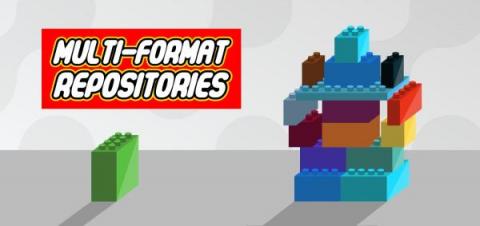
Modern Tech Stacks need Multi-Format Repositories
At Cloudsmith, using Multi-format repositories, we provide a simple and flexible solution to deploy and distribute your software artifacts. Multi-format repositories allow you to store artifacts of different formats in the same place. Organize your packages by environment, project, package type, or whatever way you see fit- we are not opinionated about how you organize your packages or containers.