Operations | Monitoring | ITSM | DevOps | Cloud

Sponsored Post

Introducing Agentic AI Platform by Fabrix.ai

Over the past couple of years, many of us have been utilizing Generative AI interfaces and co-pilots to enhance our communication, conduct research, and summarize complex information. AI-based agents are digital entities created to autonomously derive insights from data and execute actions. Agents are focused on accomplishing a specific outcome without the needfor constant human intervention.

How to Optimize Website Images: The Complete 2025 Guide

Images are big. Really big. The bytes required for an image dwarf most site’s CSS and JavaScript assets. Slow images will damage your Core Web Vitals, impacting your SEO and costing you traffic. Images are usually the element driving Largest Contentful Paint and load delays can increase your Cumulative Layout Shift. If you’re not familiar with these metrics, check them out in the Definitive Guide to Measuring Web Performance.

Kubernetes Vs. Docker Vs. OpenShift: Understanding Their Roles And Differences

Containers are a big deal today. They are software units that contain all the code, runtime, and dependencies required to run a distributed application. Thus, containers help engineers test and run apps without compatibility issues on any device and platform. Organizations can use containers to reduce engineering costs, speed up deployments, develop and test AI models, and automate more processes. You probably want those benefits as well.

Struggling With Your Patch Management Process? Template, Essential Steps & Tips for a Stress-Free Patch Management Procedure

A patch management process lays out the steps associated with updating software and hardware. The typical patch management procedure includes things like prioritizing important patches, testing them, and eventually deploying them on an automated schedule — but with so many tools for managing patching in so many different kinds of setups, no two IT teams’ patch management processes look alike. What does your patch management process look like?

How AIOps modernizes the ServiceNow CMDB

Working with ServiceNow’s Configuration Management Database (CMDB) can feel overwhelming. Maybe you’re trying to understand the foundational aspects of the CMDB or looking for ways to integrate it into your IT processes. If you want to get maximum value from your ServiceNow CMDB, you might be asking questions like: This blog will explain the key aspects of ServiceNow CMDB and share practical tips and tools to improve your CMDB experience.

How Financial Entities Can Turn IT Outages Into Strategic Advantages

IT outages are a growing concern for financial entities, threatening both operational resilience and regulatory compliance. These disruptions don’t just create downtime—they also present unique opportunities for learning and transformation. By addressing common challenges and adopting forward-thinking strategies, organizations can turn outages into stepping stones for achieving operational excellence. Breaking down the barriers to incident management A lack of clear ownership.

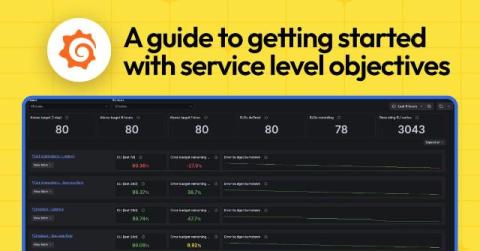
SLOs: a guide to setting and benefiting from service level objectives

If you’re running a technology-driven business, reliability isn’t optional—it’s essential. But how do you balance speed and innovation with a level of reliability that satisfies your customers? That’s where service level objectives (SLOs) come in. SLOs offer a framework for defining and achieving reliability goals, aligning technical efforts with user needs, and driving meaningful outcomes for your business.

Keeping Spending in Check: Observability's Positive Impact on Cost Management

Tool sprawl within organizations doesn’t just create a fragmented user experience; it poses a real threat to enterprises’ bottom lines. Consider these statistics: This fragmentation significantly limits worker productivity. IT leaders spend hundreds of hours trying to manage multiple tools, map their environments, and upkeep aging systems that are either outdated or simply no longer necessary.