Operations | Monitoring | ITSM | DevOps | Cloud

Missing Infrastructure: Accelerated Worldwide Delivery

Software development by distributed teams is nothing new. But since 2020, it’s no longer just teams that are globally dispersed, it is the individual team members themselves. Remote working is the new normal. So in this unpredictable, “modern” world we’re in, how do you put together a solution that delivers for every single team member, no matter their location?

How to Optimize Server Performance

Optimizing server performance is important in supporting end-user requirements. Using server optimization, actively monitor: Web server monitoring and optimization helps you to troubleshoot bottlenecks as they emerge and optimize server performance. In this post, we will discuss how to optimize performance and why it is important.

Kubernetes operators and Open Operator Collection integration - Juju 2.9

Following the Open Operator Collection announcement from November, Canonical is today proud to announce the availability of Juju Operator Lifecycle Manager (OLM) 2.9. This new release of Juju brings new capabilities for Kubernetes operators as well as smooth integration with the Open Operator Collection.

Optimizing Alert Policies with Dynamic Destinations

Targeted reliable notifications are the core of any alerting solution. Blasting out emails may be good for quantity, but Enterprise Alert focuses on the quality, this means notifying the right people at the right time. We often see monitoring and ticketing solutions creating an incident and then relying on the emailed recipient to not only identify and handle the incident but also to close out the ticket that is raised.

How ITOM visibility delivers peace of mind

The check engine light on a vehicle warns the driver when something under the hood needs attention. Wouldn’t it be nice if every organization had a similar flashing indicator to let them know when their Transport Layer Security (TLS) certificate is about to expire? Unfortunately, reality isn’t that simple. We tend to deal with the day-to-day maintenance of our vehicle in different ways.

The Future of Qovery - Week #4

During the next seven weeks, our team will work to improve the overall experience of Qovery. We gathered all your feedback (thank you to our wonderful community 🙏), and we decided to make significant changes to make Qovery a better place to deploy and manage your apps. This series will reveal all the changes and features you will get in the next major release of Qovery. Let's go!

What Are Microservice Architectures?

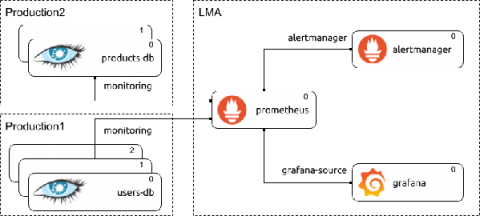
In this article, we are going to look at Microservice architectures, their benefits, what makes them different from traditional monolithic architectures, and how to go about setting up monitoring and alerting for them. MetricFire is a Hosted Graphite, Grafana, and Prometheus service, where we help you set up and manage these open-source tools. If you would like to follow the steps in this blog, make sure to sign up for MetricFire's free trial and even book a demo session.

IT Spring Cleaning: Making the best of the current situation

Spring is just around the corner. And since we're at home a lot right now due to the coronavirus pandemic, it's all the more worthwhile to take some time for spring cleaning. But it's not just in our own four walls that the winter grumpiness should disappear; the IT landscape is also in need of a digital spring cleaning.

Runbooks: What They Are and Why You Need One Yesterday

Let’s talk about The Legend of Zelda: A Link to the Past, and how it relates to DevOps. The game tasks our hero with finding three pendants, which unlock a Master Sword he can use to travel to an alternate realm and ultimately take down the bad guy. The US version of this SNES masterpiece came packaged with a fairly detailed instruction manual that contained an optional guide at the end to help locate the three pendants.

HAProxy Enterprise 2.3 and HAProxy 2.4 Support the Financial Information eXchange Protocol (FIX)

A floor of commotion bustling with people holding phones and shouting out purchase and sell orders, some using hand signals to communicate over the noise. This was a common scene on Wall Street in the 1980s. Nowadays, transactions happen at the push of a button with traders sitting directly in front of a computer. In fact, the computer has made it possible to automate the buying and selling of securities, leading to an era of high-frequency, algorithmic trading.