Do more with the same. That’s a phrase many of us hear in our careers when there is an expectation for higher output with no increase in resources or budget. One way many organizations achieve this is by leveraging the functionality of their IT Service Management (ITSM) solution to automate workflows and build more efficient business processes throughout all departments, not just IT. This is often referred to as Enterprise Service Management, or ESM.
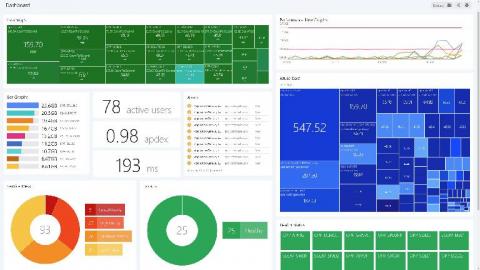
How would your daily life be impacted if you had a bird’s-eye view of your operations, their dependencies, and the ability to spot indicators that an incident or outage was likely to happen? What would it mean for your business if you were given minutes or hours to get ahead of disruptions instead of reacting to a surprise? For most organizations, enabling proactive incident response translates directly to dollars saved, brand reputation protected, and less burnout within response teams.
If you follow our very own @HLENKE, you might have seen his recent tweet. Availability and responsiveness are key topics for every SaaS platform. They also happen to be multi-level, complex topics that often span different technology stacks and can be tackled with a variety of approaches. Hannes' tweet actually gives us the perfect segue into a blog post about how our engineering team currently monitors Checkly.
Practicing observability isn’t just about tools. It also means improving how you work together and how you share lessons across the team. Learning from each other helps everyone on your team become better engineers that can create amazing experiences with code, or that make code work at incredible scale (or both!). Writing software and operating it in production is—and must be—a team sport.
You can now benefit from even more features and functionality in Elastic Cloud. In case you missed it, we’ve added powerful tools to simplify and automate operations. We’ve added support for more regions. And we’ve even added new ways to pay for, and understand your bill for Elastic Cloud. With a cup of tea and five minutes, we’ll recap them for you.
We are pleased to announce the general availability of version 7.8 of the Elastic Stack. Like most Elastic releases, 7.8 brings a broad set of new capabilities to Elasticsearch, Kibana, Logstash, and Beats, as well as the solutions built on the Elastic Stack: Elastic Enterprise Search, Elastic Observability, and Elastic Security.
Neil is Principal Product Manager for Event Management and Automation at OpsRamp. He is a seasoned IT Operations Management veteran with nearly 30 years experience at large enterprises. He discusses the evolution of this critical infrastructure management software market.
When thinking about serverless applications, one thing that comes to mind immediately is efficiency. Running code that gets the job done as swiftly and efficiently as possible means you spend less money, which means good coding practices suddenly directly impact your bottom line. How does logging play into this, though? Every logging action your application takes is within the scope of that same performance evaluation.