Operations | Monitoring | ITSM | DevOps | Cloud

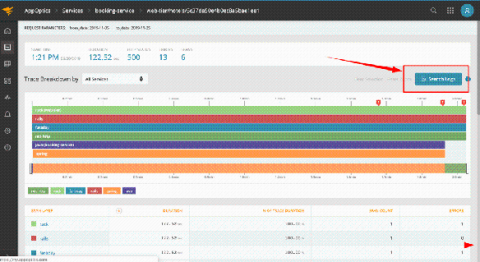
Alert fatigue, part 3: automating triage & remediation with check hooks & handlers

In many cases — as you’re monitoring a particular state of a system — you probably know some steps to triage or in some cases automatically fix the situation. Let’s take a look at how we can automate this using check hooks and handlers.

6 Ways to Avoid the 'Swivel-Chair' Effect

When an incident occurs, do you shudder when either you or your team proceed to open multiple browser tabs for each of your monitoring tools? This is the picture painted by the “swivel-chair” effect, context-switching between tools to gather information needed to determine a path of resolution.

Simplifying security auditing, part 6: Compliance and the cloud

In part 5, we looked at auditing your network device logs. A decade ago, security professionals were primarily concerned about network perimeter and endpoint security. While those concerns are still valid, technological advancements have created new scenarios that need to be addressed.

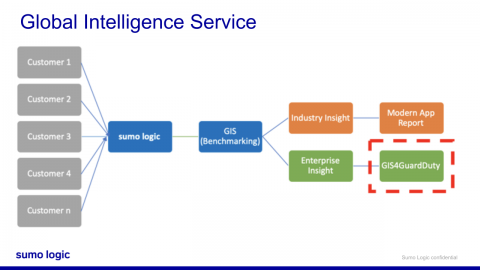
The Sound of Silence: Threats from Without and Threats from Within

Recent news has broken about a group of hackers which appears to be operating out of Russia. The group, dubbed “Silence,” is believed to be involved in the theft of over $800,000 from multiple Russian and Eastern European financial institutions. However, what is particularly notable about this group is they seem to count at least one former cyber security professional among their number.

How Open Hardware Intends to Take Over Our World (Again)

In the 1980s, Open Hardware made our society shake with the irruption of a giant: IBM® It seems that now in 2018 history will repeat itself! Recently, we wrote on the blog a short story about supercomputers, as well as the big threat, without enough media coverage, about Spectre and Meltdown’s vulnerabilities. We will elaborate both articles in this post. We’ ll tell you about Open Architecture, Free Hardware and Open Hardware and their subtle differences.