Financial technology (FinTech) companies today are shaping how consumers will save, spend, invest, and borrow in the economy of the future. But with that innovation comes a critical need for scalable cloud observability solutions that can support FinTech application performance, security, and compliance objectives through periods of exponential customer growth. In this blog, we explore why cloud observability is becoming increasingly vital for FinTech companies and three ways that FinTechs can improve cloud observability at scale.
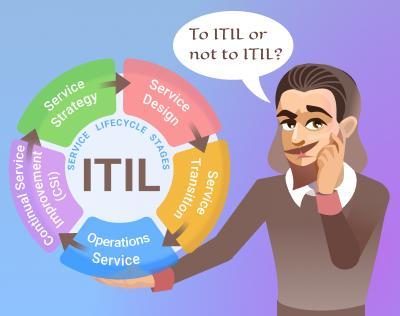
Discussing the pitfalls of ITIL, and why it’s worth nevertheless.
Modern applications are complex inter-connected collections of services and moving parts that all have the potential to fail or not work as expected. Flutter and the language it’s built upon, Dart, are designed for event-driven, concurrent, and, most crucially, performant apps. It’s important for any developer using them to have a decent selection of debug tools.
Banning apps is sometimes necessary to protect your organization from malicious or misused applications. In particular, leaky apps can be a significant threat, and identifying and banning them is an essential app security measure. Some organizations choose a more flexible approach by allowing employees to use unsanctioned apps and monitor their usage for suspicious activity. Yet others don’t monitor employee app use at all, which is the riskiest approach imaginable.
Boomi is a cloud-based integration platform that helps customers connect their applications, data sources, and other endpoints. But monitoring and troubleshooting Boomi Atoms—the runtime engines for Boomi integration processes—and the applications connected to them can be a challenge. Boomi automatically purges logs after 30 days, and users must frequently correlate data from various disconnected sources for visibility into their Boomi processes.