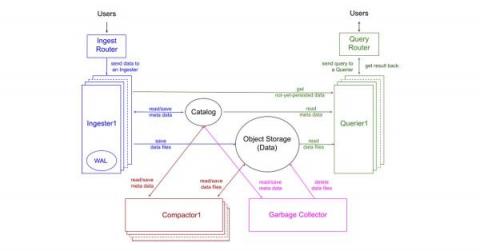
InfluxDB 3.0 (previously known as InfluxDB IOx) is a (cloud) scalable database that offers high performance for both data loading and querying, and focuses on time series use cases. This article describes the system architecture of the database. Figure 1 shows the architecture of InfluxDB 3.0 that includes four major components and two main storages.
In the blog “How Generative AI Can Benefit Knowledge Management”, we looked at the benefits of AI to knowledge management to enhance the quality, automating the creation of content and enabling more engaging content. In enabling generative AI to become part of the knowledge management framework introduces concerns about accuracy, data bias, privacy and security. Now, it’s time to look at how we can make it work well together...
Want to monitor all of your application's services? Our Standalone Agent allows you to monitor processes our standard integrations don't monitor by default, helping you effortlessly expand your monitoring capabilities. To help simplify the process of configuring our standalone agent, we're excited to announce the launch of our Standalone Agent's Docker image, available on Docker Hub under the name appsignal/agent.
Deciding what to migrate, what to modernize, and what to retain on-premises is part of enterprise IT infrastructure management. When a refresh cycle is up in your data center, there are two very different types of competing motions you need to evaluate. While they may appear to be independent, they’re also kind of not, so it can be tricky to decide which one to execute—or even to execute both—and to do so smoothly.
Insightful proof-of-concepts with a tool can be difficult to undertake due to the demands on valuable resources: time, energy, and people. With a task as grand as observability, how could one truly test if Honeycomb and OpenTelemetry are right for their organization and meet their requirements? For this thought experiment, here’s a comprehensive description of the ideal product evaluation over the course of four weeks, given unlimited resources.
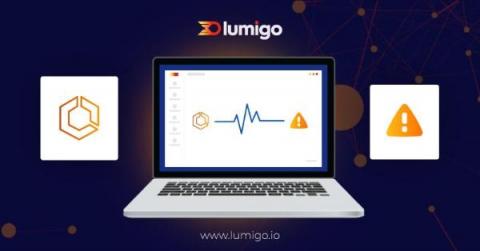
Health checks for cloud infrastructure refer to the mechanisms and processes used to monitor the health and availability of the components within a cloud-based system. These checks are essential for ensuring that the infrastructure is functioning correctly and that any issues or failures are detected and addressed promptly. Health checks typically involve monitoring various parameters such as system resources, network connectivity, and application-specific metrics.