Operations | Monitoring | ITSM | DevOps | Cloud

SCCM Patch Management: Deployment Guide

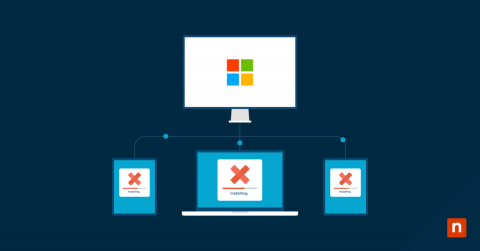
When comparing operating systems, it’s clear that Microsoft Windows currently comes out on top. As a matter of fact, “Microsoft Windows was the dominant desktop operating system (OS) worldwide as of January 2023, with a share of just over 74 percent.” Microsoft has many tools and features that are widely-used by the IT community, such as SCCM. This SCCM patch management deployment guide lays out the essential steps to take for deploying updates in the tool.
Inside Story: Audit & Events Tracking Feature With Our Customer Feedback

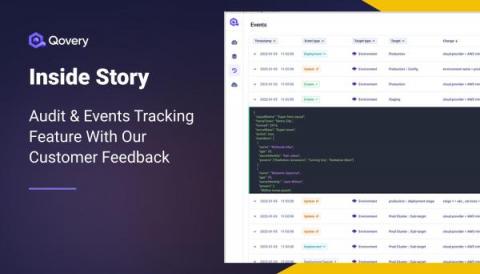
At Qovery, we are dedicated to providing the best experience possible to our users when it comes to managing their cloud infrastructure. We believe that building features with our customers is essential to our success. That's why we worked closely with our customers to develop our new feature, Audit & Events Tracking.

The Future of Website Development: Exploring the Impact of Artificial Intelligence and Machine Learning

Artificial intelligence (AI) and machine learning (ML) are two cutting-edge technologies that are revolutionizing the field of website development. AI refers to the ability of computers to perform tasks that typically require human intelligence, such as recognizing speech, understanding natural language, and making decisions based on data. On the other hand, ML is a subset of AI that involves training algorithms to learn from data and make predictions or decisions based on that learning.

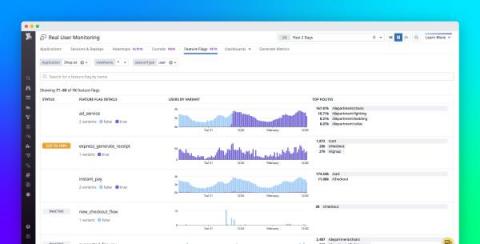
Ensure release safety with feature flag tracking in Datadog RUM

Developers and teams who want to deploy new code often and safely leverage feature flags to decouple code deployments from feature releases. Feature flags enable teams to release new features to a subset of users, making it possible to test a new feature’s impact on users and ensuring that developers can easily roll back the feature if it causes downstream issues.

Optimizing inventory management with RFID technology in the healthcare industry

The healthcare industry is one of the most complex and demanding industries in the world, with a wide range of products and supplies that must be carefully managed and tracked. Proper inventory management is critical to ensuring that hospitals, clinics, and other healthcare facilities have the supplies they need to provide the highest level of care possible.

RFID solutions for effective asset management in the office environment

In today's modern office environment, managing assets is a critical aspect of maintaining efficiency and productivity. From computer hardware and software to office furniture and equipment, there are countless assets that must be tracked and managed to ensure that they are used effectively and not lost or misplaced. This is where RFID (Radio Frequency Identification) technology comes into play, offering an innovative solution for effective asset management in the office environment.

Enhancing supply chain transparency and traceability with RFID in manufacturing

The manufacturing industry is becoming increasingly complex, with global supply chains that involve multiple suppliers, distributors, and manufacturers. As a result, there is a growing need for enhanced supply chain transparency and traceability to ensure that goods are produced and distributed in a responsible and sustainable manner. One of the most effective ways to achieve this is through the use of RFID (Radio Frequency Identification) technology.

How RFID technology is transforming asset tracking in the car rental and sale industry.

The car rental and sale industry are fast-paced businesses that involves the constant movement of assets, from cars to rental equipment. Asset tracking plays a crucial role in this industry, as it allows businesses to manage their assets efficiently and effectively. In recent years, RFID (Radio Frequency Identification) technology has emerged as a game-changer in asset tracking, providing businesses with real-time visibility and control over their assets.

Code Instrumentation in Cloud Native Applications

Cloud native is the de facto standard approach to deploying software applications today. It is optimized for a cloud computing environment, fosters better structuring and management of software deployments. Unfortunately, the cloud native approach also poses additional challenges in code instrumentation that are detrimental to developer productivity.

Using Practical Alerting to Stay on Top of Teams Call Quality - Part 2

Running your business using Teams isn’t without its challenges. We already did a post here about some of the Microsoft Teams alerts IT teams need to be alerted to sooner rather than later. But, because of how complex large Teams setups are, we’ve got a few more to add to the collection. Today, we’re focusing on the Microsoft-specific challenges you might face.