Operations | Monitoring | ITSM | DevOps | Cloud

Battling database performance

Earlier this year, we experienced intermittent timeouts in our application while interacting with our database over a period of two weeks. Despite our best efforts, we couldn’t immediately identify a clear cause; there were no code changes that significantly altered our database usage, no sudden changes in traffic, and nothing alarming in our logs, traces, or dashboards. During that two-week period, we deployed 24 different performance and observability-focused changes to address the problem.
Observability overload: Insights into the rise of tools, data sources, and environments in use today

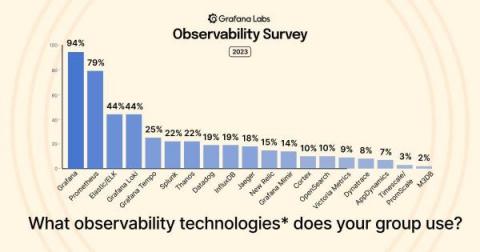
With countless observability tools, data sources, and environments to juggle, the organizations that deploy and manage today’s distributed applications often face an uphill battle to gain visibility into their application performance. That was a key takeaway from the Grafana Labs Observability Survey 2023, which incorporated input from more than 250 industry practitioners who are all too familiar with these complexities.

Revitalize Your Testing With Continuous Everything Practices to Meet DevOps Goals

Software testing has been an established discipline as old as software development itself. We have seen significant evolution of testing practices recently specially driven by Continuous Delivery and DevOps, where testing is increasingly integrated with agile development and other software lifecycle practices.

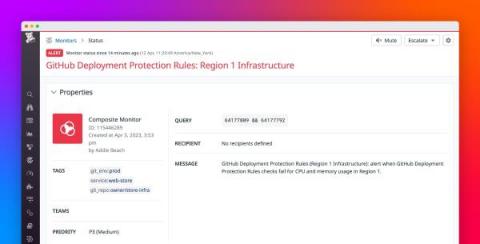
Use Datadog monitors as quality gates for GitHub Actions deployments

With the growing adoption of automated deployment tools, many organizations are releasing code more frequently. As releases increase, it’s important to ensure that you don’t accidentally introduce faulty deployments, which can have wide-ranging impacts on your infrastructure, application, and end-user experience, and can potentially lead to costly rollbacks.

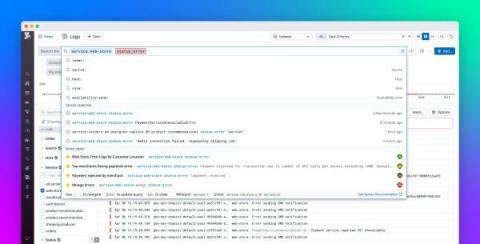
Search your logs efficiently with Datadog Log Management

In any type of organization and at any scale, logs are essential to a comprehensive monitoring stack. They provide granular, point-in-time insights into the health, security, and performance of your whole environment, making them critical for key workflows such as incident response, security investigations, auditing, and performance analysis. Many organizations generate millions (or even billions) of log events across their tech stack every day.

Top 3 Incident Response Problems AIOps Can Help Your Teams Solve

More data for data’s sake doesn’t help anyone. What organizations need is more information–actionable insight. With data coming from incoming streams of events and alerts, teams don’t have enough time to look at each one. And they struggle to parse and consolidate this data in order to figure out what they need to do next to resolve an incident.

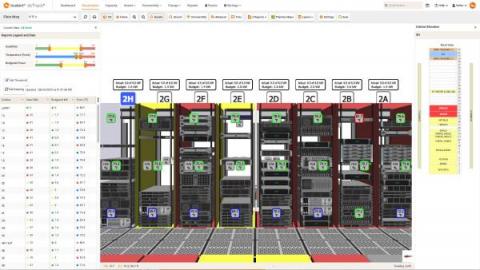
Best DCIM Software Vendors of 2023

Data center professionals have reached a breaking point. Data center infrastructure has grown too complex and distributed to manage with legacy tools like Excel, Visio, and homegrown systems. Manually updating multiple spreadsheets and diagrams for every change in the data center takes too much time and the information is too inaccurate to trust.

Endpoint Visibility: What It Is & How to Achieve It

Businesses have a growing number of endpoints in their IT environments. Endpoints give end users tools to increase their productivity, get quick access to information they need, and connect with other fellow end users. However, there are risks that come with having these devices, such as cyberattacks and losing money due to endpoint maintenance issues.

5 Strategic Ways to Update Android Apps for Businesses

Update Apps on Android Devices Businesses are deploying apps to streamline daily workflows. Nearly 10% of businesses now have more than 200 apps in their enterprise information-technology systems. According to Apperian, 91% of corporate employees are using at least one mobile app. With the shift towards remote work, employees are depending heavily on apps to help them complete tasks. Businesses are also deploying apps on in-store Android tablets or kiosks to boost sales.

How to Calculate the Total Cost of Ownership (TCO)? Definition and Examples

Total Cost of Ownership (TCO) often comes up when talking about IT management, but not everybody knows its full utility. Most of the time, the cost of an IT asset is only associated with its purchase or licensing fee. However, that’s not the only expense you should consider. There are several associated costs that affect the TCO – such as maintenance, support, and guarantee. So, it is particularly useful as it gives you a clear picture of how much you are investing in your assets.