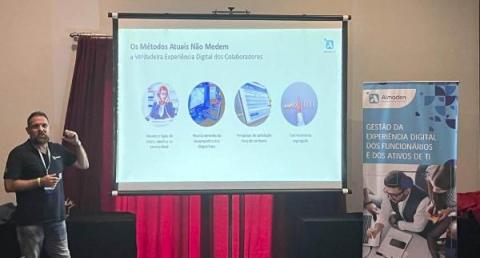
On April 14, 2023, Almaden had the privilege of participating in the CIO Meeting 2023 event held in Caucaia, CE. The event was organized by GGTIC CE and brought together CIOs and IT leaders from various industries to discuss the latest trends and challenges in technology. Almaden was proud to attend this event in partnership with Arklok. The CIO Meeting 2023 event was an ideal platform for Almaden to showcase its cutting-edge solutions and engage with CIOs and IT leaders.
Ubuntu Desktop 23.04 is the first and only Linux distribution to enable native user authentication with Azure Active Directory (Azure AD). The adoption of cloud-based identity providers in the enterprise is skyrocketing and this has been one of the most requested features. With Ubuntu Desktop 23.04 we decided to act on the feedback and offer a way to natively let enterprise users authenticate Ubuntu Desktops with the same credentials they use for Microsoft 365 or their Windows clients.
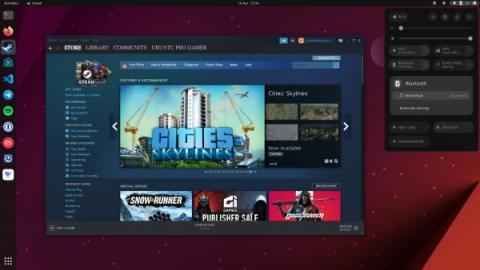
Every new release of Ubuntu Desktop comes packed with new features and functionality to enable developers, gamers, creators and tinkerers. Ubuntu 23.04 is no exception. Our focus, as always, has been improving quality, performance and enjoyment for all our users, whether that’s more elegant update handling for snaps, improved UI for installation and quick settings or a more accessible gaming experience.
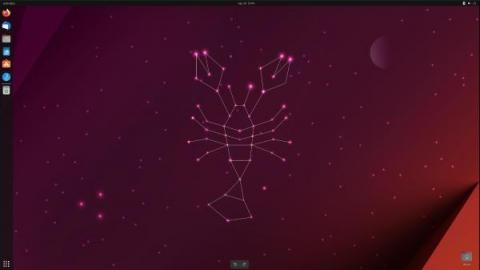
Today Canonical announces the release of Ubuntu 23.04, codenamed “Lunar Lobster”. Available to download and install from https://ubuntu.com/download.
Have you ever visited a website that took forever to load, leaving you staring at a blank screen and clicking your mouse in frustration? If so, then you have experienced the slow Time to Interactive (TTI). TTI is the ultimate test of a website's speed and responsiveness, measuring the time it take s for a page to fully load and become interactive. A slow TTI can leave your users feeling bored, frustrated, and downright furious.
Prometheus and Nagios are both open-source infrastructure monitoring solutions created by SoundCloud Engineers and Ethan Galstad respectively. They both find popular usage in monitoring the availability and performance of computer systems, networks, and applications. While Prometheus uses a pull-based model to collect metrics and its dynamic service discovery support, Nagios uses a push-based model modeled on plugins.
Data generation today is at an unprecedented level, and we are generating an inexhaustible amount of data. As a matter of fact, more data has been created over the past two years than ever before in the history of mankind. This throws a big complexity in front of us. How do we even manage such a huge amount of data? Where do we store them? Can they be segregated to fit into our needs, who would do that for us, and so on! The questions are endless, and so is the rate of generation of new data.
Do you want to confidently move workloads to the cloud without dropping or losing data? Of course, everyone does. But easier said than done. Cloud migration is tricky. There’s so much to think through and so much to worry about — how can you reconfigure architectures and data flows to ensure parity and visibility? How do you know the data in transit is safe and secure? How can you get your job done without getting in trouble with procurement?