Currently, you’ll hear a lot about Copilot, Microsoft 365 security, and modern workplace innovation. But here’s the question: Who’s making sure it all actually works, every day, without interruption?
AI adoption is progressing at a rapid pace. What started as a trickle of generative tools is now a flood of autonomous agents, custom copilots, and AI-powered SaaS, most of it entering the workplace faster than IT can keep track of.
Artificial intelligence (AI) is now embedded in everyday professional workflows — so much so that 46% of employees say they would continue using AI tools even if their organization banned them. The productivity gains are undeniable, but this widespread, unmonitored use of AI also introduces growing risks around data security, compliance, and governance.
Originally published on Medium, this piece by Winston Hearn dives into a philosophical discussion on why the "data is oil" metaphor is no longer serving the tech industry. Hearn argues that by reframing our thinking to "data is power," we can better understand and manage today's complex data systems. For more than a decade, we in the tech industry have referenced a common metaphor: data is the new oil. It’s a concept that’s easy to grasp.
Serverless platforms like Azure Functions and Azure Container Apps make it easier to scale your applications without managing infrastructure. But successful serverless apps require thoughtful planning. They must be designed to account for cold starts, unpredictable scaling behavior, and ephemeral compute lifecycles, all while ensuring secure data handling and end-to-end observability across highly distributed components.
The CFO slides a single sheet of paper across the conference table, without saying a word. It’s not a budget approval or strategic roadmap—it’s a simple question written in red ink: “What’s our ROI on IT operations?” For too many IT leaders, this moment represents a reckoning. After years of investing in monitoring tools, staffing up operations teams, and implementing “best practices,” the measurable business impact remains frustratingly unclear.
Unified infrastructure monitoring delivers a single, enterprise-grade platform to oversee hybrid environments, providing real-time insights and proactive health monitoring across on-premises, cloud, and edge systems. As 2025 brings new challenges with artificial intelligence (AI), edge computing, and hybrid complexity, SolarWinds stands out as a thought leader in unified infrastructure monitoring for enterprises.
Your infrastructure isn’t confined to a single location anymore. It’s spread across clouds, containers, and on-prem systems, and every layer is spitting out logs: access attempts, performance spikes, error codes, config changes. That data is invaluable if you can find the signal in the noise. But with millions of logs flying by every day, that’s easier said than done.
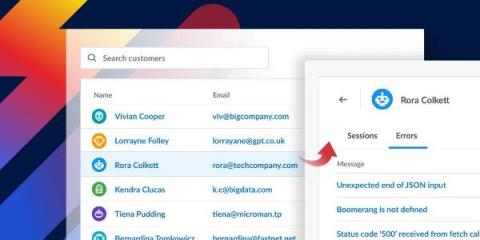
PHP is used by millions of websites and applications around the world because it’s easy to work with and very flexible. But like any technology, PHP apps can run into problems like slow performance or errors that affect users and your business. Atatus PHP APM provides developers, DevOps engineers, and SREs with clear insights into what is happening inside PHP applications, helping them find and fix issues faster, improve performance, and keep things running smoothly.
During critical business periods, enterprise PHP applications can experience significant performance challenges, including slow page loading, workflow delays, and essential integrations timing out. As a result, operational efficiency declines, customer satisfaction decreases, and revenue streams are at risk. Enterprise PHP applications power complex business portals, SaaS platforms, internal tools, and mission-critical workflows.