Operations | Monitoring | ITSM | DevOps | Cloud

The Basics of The IT Infrastructure: Definition, Components, And Types

As IT evolves alongside both the physical and – now more common – digital workplace, so too does the IT infrastructure that sustains it. Basically, the IT infrastructure of an organization includes the whole set of IT assets that keep it operating. And, in recent years, we’ve seen a significant migration from mostly traditional infrastructure (i.e. servers and storage devices) to the more cost-effective cloud infrastructure.
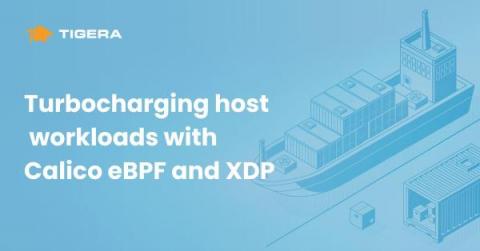
Turbocharging host workloads with Calico eBPF and XDP

In Linux, network-based applications rely on the kernel’s networking stack to establish communication with other systems. While this process is generally efficient and has been optimized over the years, in some cases it can create unnecessary overhead that can impact the overall performance of the system for network-intensive workloads such as web servers and databases.

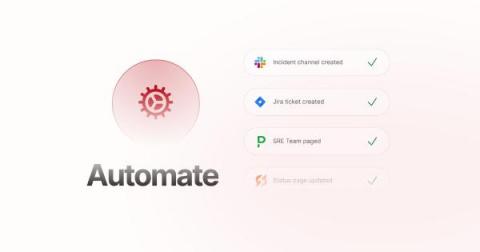
Incident severity: why you need it and how to ensure it's set

Defined severity levels quickly get responders and stakeholders on the same page on the impact of the incident, and they set expectations for the level of response effort — both of which help you fix the problem faster. But sometimes, for whatever reason, a severity level just doesn’t get set. Maybe there’s confusion around what severity level to use. Or maybe you have a low barrier to declaration and your responders just need a little nudge.

The Power of SCCM: A Deep Dive into System Center Configuration Manager

SCCM, standing for System Center Configuration Manager, now known as Microsoft Endpoint Configuration Manager, is a software suite from Microsoft’s stable of products. Often dubbed as the cornerstone of IT administration, SCCM offers a comprehensive management solution. It assists IT administrators in managing the deployment and security of devices and applications within an organization.

8 Ways to Meet Enterprise Network Service Level Agreements (SLAs)

Large cloud providers and ISPs offer service level agreements (SLAs) that guarantee uptime and help seal the deal with enterprises that value uptime. These same enterprises often ask IT to make the same guarantees for the performance and uptime of the internal network, its many varied connections and even the applications. At the same time, IT may have myriad SLAs from all kinds of vendors—including the aforementioned ISPs and cloud providers—it must manage.

Graphios - Connecting Graphite and Nagios

Graphios simplifies the process of sending Nagios performance data to backend systems like Graphite. With Graphios, users can easily integrate Nagios with Graphite, eliminating the need for complex scripts. This article explores Graphios' functionality, configuration, and installation process, empowering users to efficiently transfer Nagios data for monitoring and analysis.

Save 96% on Data Storage Costs

Users with real-time and other analytic workloads want or need to keep large volumes of historical data to aid in important activities, such as ad hoc historical trend analysis and training AI models. However, storing this much data in a way that also makes it easily queryable becomes prohibitively expensive. As a result, users must balance data availability and usability with sacrificing data fidelity and storage costs. That is until now.