Operations | Monitoring | ITSM | DevOps | Cloud

What is Context Propagation in Distributed Tracing?

In modern microservices-based applications, it is difficult to get an overview of how requests are performing across multiple services, infrastructure, and protocols. As companies began moving to distributed systems, they realized they needed a way to track requests in their entirety for debugging applications. Distributed tracing is a technology that was born out of this need.

Introduction to Azure Storage Service Encryption

Microsoft Azure is a leading cloud service provider that offers a wide range of storage solutions. One of its essential features is the Azure Storage Service Encryption (SSE) which helps organizations protect their data at rest. This article will dive deep into the world of Azure Storage Service Encryption, discussing various encryption types, their applications, and best practices for implementing encryption in your Azure storage accounts.

Developer environments should be cattle, not pets

Cattle, not pets is a DevOps phrase referring to servers that are disposable and automatically replaced (cattle) as opposed to indispensable and manually managed (pets). Local development environments should be treated the same way, and your tooling should make that as easy as possible. Here, I’ll walk through an example from one of my first projects at incident.io, where I reset my local environment a few times to keep us moving quickly.

5 Tools for Managing a Network from a Remote Location

If you’re responsible for overseeing a network infrastructure, but you’re not always on-site to complete tasks and tackle issues in person, you need the right tools to empower you in your admin efforts. There’s a diverse array of resources out there which will enhance your network management capabilities, even when you’re working remotely. Here are just a few examples of must-have apps for you and your team in this context.

How to Cut Through SIEM Vendor Nonsense

If you’re in need of new SIEM tooling, it can be more complicated than ever to separate what’s real and what’s spin. Yes, Logz.io is a SIEM vendor. But we have people in our organization with years of cybersecurity experience, and they wanted to share thoughts on how best to address the current market. Our own Matt Hines and Eric Thomas recently hosted a webinar running through what to look out for titled: Keep it SIEM-ple: Debunking Vendor Nonsense. Watch the replay below.

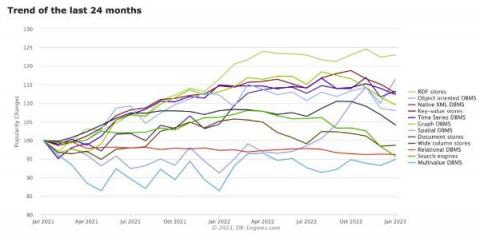
How to Choose the Right Database in 2023

Databases are often the biggest performance bottleneck in an application. They are also hard to migrate from once being used in production, so making the right choice for your application’s database is crucial. A big part of making the right decision is knowing what your options are. The database landscape has been changing rapidly in the past few years, so this article will try to simplify things for you by going over the following topics.

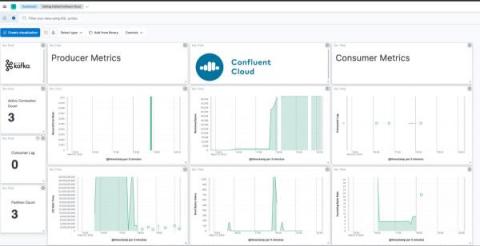
How to monitor Kafka and Confluent Cloud with Elastic Observability

The blog will take you through best practices to observe Kafka-based solutions implemented on Confluent Cloud with Elastic Observability. (To monitor Kafka brokers that are not in Confluent Cloud, I recommend checking out this blog.) We will instrument Kafka applications with Elastic APM, use the Confluent Cloud metrics endpoint to get data about brokers, and pull it all together with a unified Kafka and Confluent Cloud monitoring dashboard in Elastic Observability.

Getting ahead of global regulations

In today’s world, the fitness of compliance and risk professionals is being tested like never before. Like the surfers who founded ServiceNow, we must find ways to get ahead of each new wave of federal and global regulations and ride as gracefully as we can—or wipe out. The key is to be proactive rather than reactive. No matter the regulation or resources at one’s disposal, the basic principles of establishing a strong compliance practice cannot be ignored.

5 Essential Things Every FinOps Team Needs

Every time your company onboards a new client or releases a new product, your cloud bill will grow. In fact, it doesn’t take a large event at all to see a spike. Whenever your company changes direction even slightly, it can affect the bottom line. Add to that factors such as economic inflation and increased demand for high-speed, high-power cloud services, and it may seem like each month’s cloud bill is higher than it was before. If that’s the case for you, you’re not alone.

Continuous Monitoring: 5 Tools to Give You Peace of Mind

If you’re part of the DevOps, SecDevOps, or IT team, you would agree that continuous monitoring of the entire IT systems and networks is vital. And this explains why 70% of businesses treat preventing downtime as a priority to avoid causing significant issues in the future. So monitoring your IT infrastructure constantly with a continuous monitoring plan is one way of improving efficiency and productivity.