Operations | Monitoring | ITSM | DevOps | Cloud

Platform Engineering 101: Origins, Goals, DevOps vs SRE & Best Practices

Platform engineering is the practice of automating infrastructure operations and enabling self-service infrastructure capabilities within collaborative Dev, Ops and QA teams. It involves designing and building platforms, technologies and workflows that enable self-service capabilities to automatically manage, provision and operate complex modern software architecture environments.
New APM Capabilities Help Optimize Application Performance Across Monoliths or Microservices

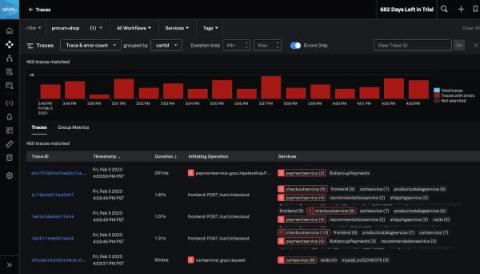
With the goal of helping you get to the “why” faster, Splunk Observability recently announced several new enhancements to reduce noise and provide more visibility when isolating problems in your environments. Specific to applications and services, whether you operate monolithic or microservices architectures our releases help you easily investigate problems in complex environments. Here’s a roundup of the recent Splunk APM capability releases, and helpful links to help get started now.

Frontend vs. backend: How to plan your performance testing strategy

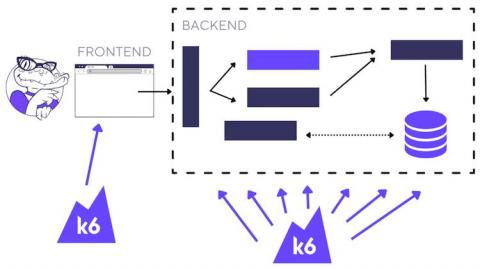
There are many aspects of application performance, but they broadly fall into two categories: frontend performance and backend performance. As a tester, it’s important to know the differences between the two and how that impacts the way you approach your tests. In this blog, I’ll provide a high-level overview of frontend performance testing and backend performance testing, including pros and cons of each one.

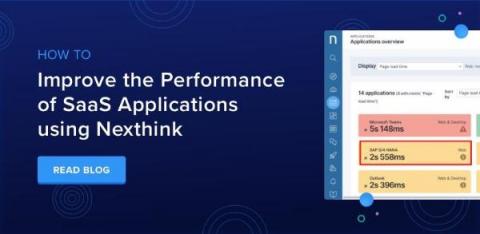
How To Improve Performance of SaaS Applications using Nexthink

In today’s dynamic and rapidly changing environment, organizations deploy most, if not all of their business solutions using SaaS applications. This fast-paced digital transformation makes it critical for organizations to ensure the performance of SaaS applications, so that these applications can meet end user demands and provide the expected experiences. IT teams must ensure their SaaS applications are functioning well, facilitating productivity rather than inhibiting it.

Five Free Tools to Monitor Microsoft Teams Performance

Microsoft Teams has become a popular platform for remote communication and collaboration, especially since the outbreak of the COVID-19 pandemic. As more and more businesses rely on Microsoft Teams to communicate and work together, it’s crucial to ensure that the platform is performing optimally and to measure and improve Microsoft Teams performance. Fortunately, there are free tools available to help you monitor the performance of Microsoft Teams.

The Five Sources of Microsoft Teams Call Quality Issues

Microsoft Teams call quality issues can stem from a lot of places. People often jump to blame Microsoft when they’re having a call or video breakup. But, the reality is that while this does happen, more often than not it’s an external factor to the Microsoft service itself. To give you some insight into where your Teams problems come from we put together this easy primer on the five most common sources of Teams call quality issues.

Digital Transformation Strategy for IT Teams: A Guide

Today, 93% of small business owners use at least one type of technology platform to help run their businesses. This is an extremely high percentage for small businesses, and the number only increases for large enterprises and corporations. Many organizations around the world are choosing to leave manual processes in the past and replace them with more efficient, technological solutions.

Enhancing Datadog Observability with Telemetry Pipelines

Datadog is a powerful observability platform. However, unlocking it’s full potential while managing costs necessitates more than just utilizing its platform, no matter how powerful it may be. It requires a strategic approach to data management. Enter telemetry pipelines, a key to elevating your Datadog experience. Telemetry pipelines offer a toolkit to achieve the essential steps for maximizing the value of your observability investment. The Mezmo Telemetry Pipeline is a great example of such.

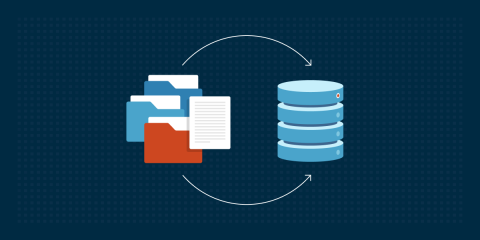
Harnessing the Power of AZCopy with Azure Storage

In today’s data-driven world, the ability to efficiently and effectively manage vast amounts of data is crucial. As businesses increasingly rely on cloud services to store and manage their data, tools that can streamline data transfer processes become indispensable. AZCopy is one such powerful tool that, when combined with Azure Storage, can greatly simplify data management tasks while maintaining optimal performance.