Grafana Labs + Taboola Tel Aviv Meetup
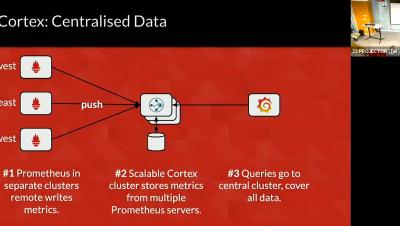
Taboola was kind enough to host the Grafana Labs meetup at their wonderful offices in the Atrium tower for an afternoon of metrics, logs, traces, and good times!


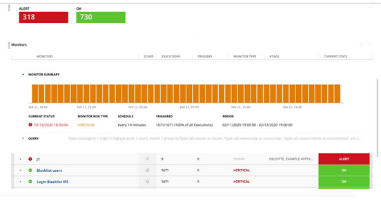
The latest News and Information on Monitoring for Websites, Applications, APIs, Infrastructure, and other technologies.
We have talked about it for a long time, but now it is here: The Icinga DB RC1 In case you managed to avoid all of the talk about it, Icinga DB is the replacement for our IDO (Icinga Data Output). What does this mean for you? It means SPEED. Especially for larger environments. So, what’s in the RC? It is basically a finished product. We want to give both you and us some time to test it out, find bugs and get comfortable with it.
Why is monitoring microservices so important? It’s because we work in a time where systems are complex, distributed across multiple microservices. For example, even a simple e-commerce app may have Ordering, Product Catalog, and Shipping services. Our tooling and practices sometimes struggle to keep up with such complexity.
You can evaluate the effectiveness of an advertising campaign as a whole. But in order to optimize it on an ongoing basis and get the most out of its budget, you need detailed data on the effectiveness of individual channels, creations, and locations. This is what UTM tags (or UTM codes) are for – parameters added to the landing page URL that don’t affect its display but allow the analytical package (e.g. Google Analytics) to record additional information about traffic sources.
So your organization has decided to move to the cloud. Smart move! Many companies today are either making the move to the cloud or have already made it. According to RightScale’s 2019 State of the Cloud Survey, 94% of IT professionals say their companies use the cloud. Over 90% is public cloud. Gartner predicts that public cloud revenue will increase by 17% in 2020. The biggest percentage increase is expected with IaaS. So, you’re clearly not alone.
Let’s start with a simple picture and a question. You are involved in the day-to-day running of a complex and hybrid cloud of IT systems and applications. These systems, technologies, applications, processes and other platforms perform a number of critical business functions.
Five worthy reads is a regular column on five noteworthy items we’ve discovered while researching trending and timeless topics. This week, we explore the concept of alternative data.
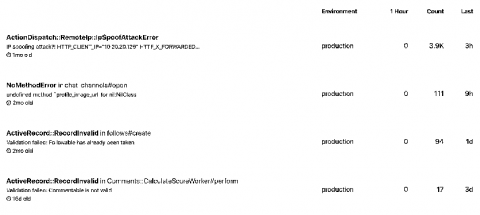
Are you on DEV? Did you know that it's open-source, and that it uses Honeybadger? We just launched a new feature to help communities like DEV fix more errors together! Software development is more fun with friends; that's why we've built tons of collaboration features into Honeybadger over the years, making it easier for teams to fix errors. Recently the team at DEV emailed us with a feature request: could we make it easier to involve the broader DEV open source community in the error-fixing process?