Operations | Monitoring | ITSM | DevOps | Cloud

The latest News and Information on CyberSecurity for Applications, Services and Infrastructure, and related technologies.

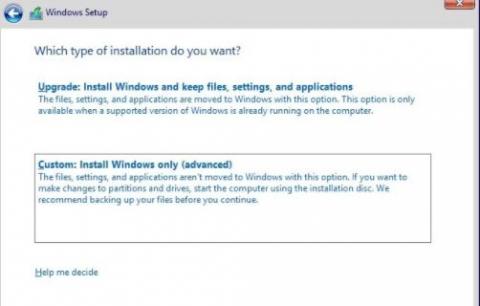
Use Active Directory Monitoring to Protect Remote Active Directory Logins

Active Directory (AD) is a process service that is used in Microsoft® Windows-based environments. It is responsible for authenticating users when they connect to servers and for authorizing access to different directories, files, and data. AD is also responsible for carrying out security protocols on all connected devices and computers. For example, there is a policy in place where, after three login attempts, a user’s account is locked.

Better Detections and Cloud Coverage with Splunk Enterprise Security 6.4

Security teams are in a difficult position: they continue wrestling with persistent problems, such as overwhelming alert volumes and staff shortages, while confronting new ones driven by the abrupt shift to remote work. For instance, attaining real-time, deep visibility into cloud environments may have been on SOC roadmaps before 2020, but the capability is now a pressing need.

Why Cybersecurity Depends on the CDM Integration Layer

When you take a close look at the Continuous Diagnostics and Mitigation (CDM) function at the heart of a successful cybersecurity program, you quickly realize that it all depends on integration. It isn’t that the individual components of the program aren’t absolutely essential. But with cyber-attacks gaining in number and sophistication, the true power of CDM is in the ability to overlay multiple datasets to create a single lens for tracking, assessing, and responding to threats.

5 user behavioral patterns to look out for in a decentralized workspace

Problem: If there are thousands of employees scattered around hundreds of places, how do you keep your organization’s network safe? Solution: You should monitor your employees wherever they’re located, and devise a standard baseline of their behavior through machine learning techniques. By using that information, you can identify anomalies and protect your network from cyberattacks.