Operations | Monitoring | ITSM | DevOps | Cloud

Restoring Compliance After Missed SAP Patch Cycles

Avantra restores SAP compliance after missed patch cycles by measuring the real gap on every system, automating the catch-up in risk order, and monitoring continuously afterward. A missed cycle can leave SAP operations out of compliance or exposed to documented vulnerabilities, and until each system is assessed, the impact is unknown. Getting “back to good” requires three steps: The patching itself is rarely the hard part.
Sponsored Post

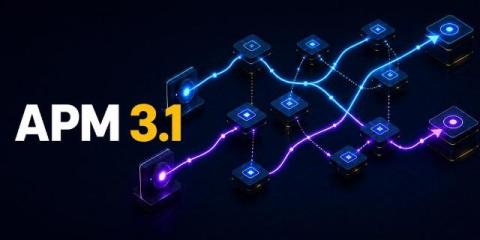
Raygun APM Agent 3.1: async traces that stay with the right request

Raygun APM Agent 3.1 introduces more accurate asynchronous request tracing for Windows, Linux, and Azure App Service. Version 3.0 rebuilt the foundation of the Agent, profiler, installers, and release pipeline. Version 3.1 builds on that work with a focused improvement for ASP.NET Core: automatic request correlation that follows asynchronous execution without requiring developers to instrument their application. The result is a more accurate trace, with less duplication and a clearer view of the work performed for each web request.

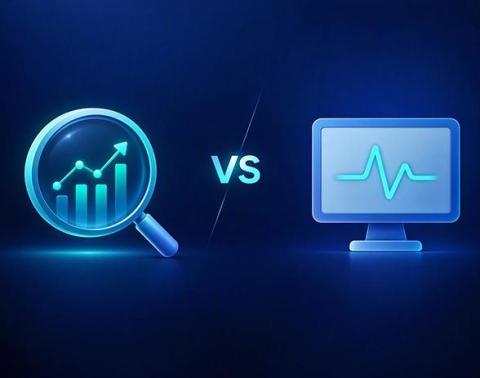
Observability vs Monitoring: Why Does IT Still Find Out After the Business Does?

✓ operational truth IT finds out late because traditional monitoring is built to detect what goes wrong, not what has quietly stopped happening. Closing that gap requires observability that validates business journeys end to end, detects missing activity, checks its own coverage, and predicts degradation before a threshold is ever crossed.

Azure in Bleemeo: your subscription next to your servers, with one read-only role

Most teams that run on Azure do not run only on Azure. There is a database on a VM nobody wants to move, a Kubernetes cluster somewhere else, a few servers in a rack, and a monitoring setup that grew around all of it. Azure Monitor sees the Azure part very well and nothing else, so the picture of an incident ends up split across two consoles, two alerting configurations and two sets of dashboards. Bleemeo now connects to Azure the same way it already connects to AWS.

How to Guarantee a Website or Service Never Goes Down (And What You Can Actually Promise)

No one can guarantee that a website or service never goes down. What you can promise is a measured availability target, and with a multi-location, active-active design you can reach 99.999% (five nines), about 5 minutes 15 seconds of downtime a year. That takes redundancy at every layer, automatic health-based failover across regions and ideally providers, safe deployments, failure testing, and outside-in monitoring. Control Plane is built for that tier.

How savepoints quietly throttled our Postgres queue

At incident.io we are huge fans of Postgres; we've written about it a lot over the years, including how to choose the right indexes and how we're proud of being boring (The Pet Shop Boys). We use Postgres as our primary transactional database, which as of today has ~900 tables, and counting! The vast majority of our codebase does something along the following lines: read some data from Postgres, execute some business logic, then write that data back to Postgres. It is not, however, always that simple.

Ship faster, improve reliability, and control CI costs with Datadog CI/CD Optimization

AI-assisted development can increase the rate at which teams produce code, but teams only realize those velocity gains if CI can keep pace. More pull requests (PRs) mean more builds, tests, and pipeline executions. Slow jobs leave developers and coding agents waiting for feedback, flaky failures consume time in reruns and investigations, and unnecessary test execution increases runner demand as delivery volume grows.