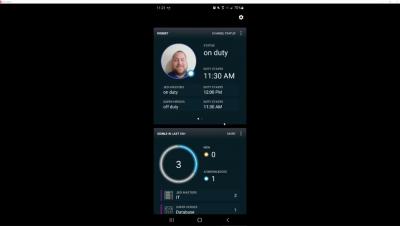
The SIGNL4 mobile app
Brief overview of the functions of the SIGNL4 mobile app


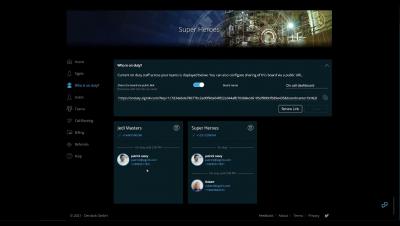
Our December update brings a ‘Who is on duty’ board displaying current team members on duty with contact information. In addition, we have simplified the manual sending of Signls and improved the integration with Azure Sentinel. As always, you can find all the details in this article.
This article should give you a first idea of what SIGNL4 does. What do IT security, production monitoring and technical field service have in common? In all these scenarios, the right people need to get notified immediately – in case of technical malfunctions, urgent maintenance orders or emergencies, all in order to solve any incident quickly and efficiently.
BASF is the largest chemical producer in the world with a revenue of EUR 59bn, 247 manufacturing sites and 110,000 employees. BASF’s Coatings division employs 11,000 people and develops, produces and markets innovative solutions for automotive OEM and automotive refinish coatings and industrial coatings as well as architectural coatings and related coating processes.
Grafana is as open source analytics and interactive visualization application. You can connect different data sources to display chart and graphs or even trigger alerts. Wouldn’t it be great to add information about SIGNL4 alerts or about who is on call as part of your dashboard? In this case you immediately get an overview about open, acknowledged, and closed alerts per category. Of you can see wo it currently on duty. Here is an example with a who-is-on call, and an alert overview panel.
Our November update introduces new team settings and, along with them, entirely new options for escalating Signls. This will allow you to make your incident response even more reliable. One application is to create a ‘managers on duty’ teams with full duty scheduling capabilities and escalate missed Signls to such 2nd level response team. As always, you can find all the details in this article.
How many servers can be managed by one system administrator? This question is not an easy one since it definitely depends on the tasks that need to be operated. However, it´s quite clear that the amount of servers one engineer can manage has increased enormously over time, and is still growing. Yet, public and private clouds, combined with automation tools, enable us to automate many daily tasks. In a modern IT infrastructure almost everything can, and should, be automated.