Operations | Monitoring | ITSM | DevOps | Cloud

How an Online Translation Platform Can Simplify Global Expansion

Global expansion has become a top objective for businesses of all kinds, from ambitious startups entering their first international market to established firms launching new regional offices. However, going global is not just about releasing a product in another country. It's a complicated process that demands a thorough awareness of new audiences, cultural nuances, legal constraints, and, above all, language. That's when an online translation platform evolves from a simple tool to a key driver of worldwide growth.

When payments pause: lessons from a global payments outage

In digital commerce, payment reliability is non-negotiable. The rise of instant payments highlights this need: global instant payment transaction volume reached 195 billion in 2022, with projections to surpass 500 billion transactions by 2027 as more countries adopt faster payment systems. This growing reliance on real-time payment rails raises the stakes for reliability, with any disruption posing major risks to trust and revenue.

Money Orders in a Digital Era: Leveraging Tools for Better Payment Processing

A money order is a form of payment that works much like a prepaid check. It's a written instruction to pay a specified amount to a designated recipient, often used in exchange for goods or services. Because the funds are prepaid, money orders are generally more secure than personal checks, there's no risk of insufficient funds.

How to test the reliability of a Point of Sale (POS) system

Point of Sale (POS) systems are the backbone of any retail store. A single outage can cost retail companies thousands of dollars each minute in lost sales, and even more if the outage happens during peak hours. If the outage goes on too long, it can cause even more costly damage as customers abandon carts and turn to competitors. In an industry where customer loyalty is worth its weight in gold, that brand damage can end up even more costly than the initial lost sales.

The Rise of Digital Payments in Everyday Business

Digital payments have transformed from a convenience into an important part of modern commerce. From small coffee shops to international corporations, businesses are increasingly relying on electronic transactions to streamline operations, improve customer satisfaction, and stay competitive in a growing market. The growing adoption of mobile wallets, contactless cards, and online payment platforms reflects a shift in consumer expectations, where speed, security, and convenience are top priorities.

Improving Transaction Speed and Transparency in Digital Operations

Transactions happen fast in our lives, whether it's paying for a coffee, sending a gift, or moving money between accounts. We expect speed and clarity. Delays, confusion, or hidden steps frustrate everyone. That's why new digital systems aim to make money moves quick and visible. In the coming sections, we'll look at what drives this change, why it matters for users and businesses, and where it might go next.

How Technology Is Changing the Way Companies Accept Payments

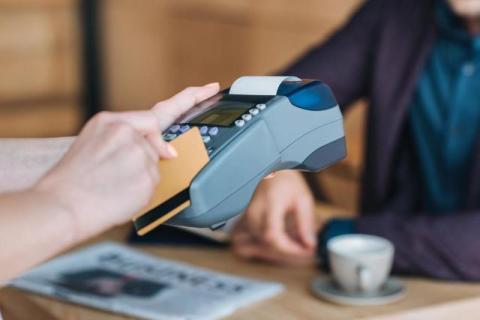
The way companies handle payments has undergone significant changes in recent years. Traditional cash registers and bank transfers are no longer enough for modern businesses, especially those operating online or in high-risk industries. Technology has made payment processing faster, more secure, and accessible to companies of all sizes. Whether you run a small e-commerce store or manage a subscription-based service, understanding these changes is key to staying competitive.

Catch core banking issues (before they impact customers and compliance)

APAC customers have high expectations around instant payments, open banking, and mobile-first experiences. In March 2025, India’s real-time payment system, UPI went down for five hours. Millions experienced payment failures, failed fund transfers, and login errors and many vented their frustrations on social media. With banking and payment disruptions on the rise, regulators are calling for proof of resilience.

Why Firms Are Adopting Payment Orchestration Now

In the fast-paced digital economy, businesses of all sizes must prioritize efficient payment processing to meet rising customer expectations and accommodate a diverse array of payment methods. Payment orchestration has emerged as a transformative solution, streamlining transactions, enhancing security, and optimizing the overall payment experience.