We recently surveyed 700 DevOps and IT practitioners around the world and found that more than 80% of organizations have experienced a significant increase in pressure on digital services since the start of the pandemic. Compared to 6 months ago, respondents reported a 47% increase in the number of daily incidents, and 62% of DevOps and IT responders work at least an extra 10 hours per week resolving incidents.
IT teams are essential for many companies to work. And, although due to the nature of their work they have certain features, you should not forget that, after all, they are human teams, so they have similar characteristics to those of any other group. The sensible thing, then, is to remember that if you want your IT team to work to the fullest, you must be able to optimize several of the aspects involved in its performance, both the characteristics of the IT field and more general ones.
There’s an AI-led developer and operations (DevOps) evolution afoot which is stoking SREs’ increasingly critical efforts to assure and improve the customer experience by automating the toil out of observability. This movement feeds on a supercharged process of turning telemetry into actionable insight by automatically drawing anomalies, changes and events out of the full-stack event and telemetry data, and analyzing it for correlation and causality.
Say you are an awesome developer sitting contentedly at your desk when a Slack message suddenly interrupts your peaceful mental flow: It would appear there is a data issue with the new Activity History service released last month… Or at least a couple people think there is. Now, instead of making progress on new tasks, you now need to drop those and look into what’s happening here. Sigh.
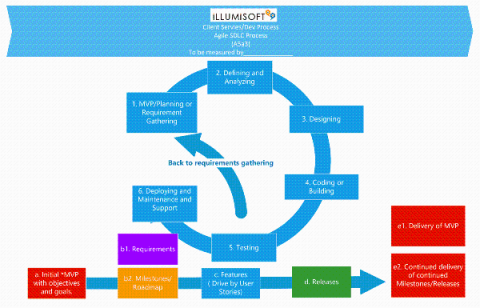
In our industry, we often like to use the analogy of building a house when we describe how we build software. In our house-building analogy, this would be the blueprint of the house or the process that we are going to follow to construct a home or software. The analogy continues to be relevant because of all the interdependencies that are at work in terms of understanding the blueprint and translating it into work.
It goes without saying that 2020 has been a challenging year for businesses. Faced with unexpected and unfamiliar hurdles, organizations have been under immense pressure to maintain or improve performance in all areas of their business. But this has also been a year of innovation. We’ve seen modern organizations embrace new, innovative technologies and tactics that have reshaped the way they manage IT performance.
Elasticsearch is a great platform for any data lake initiative, and ideal for analyzing your monitoring and observability data. But if you’re working with a number of different monitoring and observability tools, especially across multiple cloud environments, you might find it challenging to get all your data into Elasticsearch.
By industrializing software delivery, DevOps has the potential to transform IT in the same way that Henry Ford transformed manufacturing Back in 1913, Henry Ford started a manufacturing revolution. On December 1, the first automotive assembly line heralded the advent of mass production and reduced the time required to build a Model T to only 2 ½ hours. That allowed Ford to slash manufacturing costs as well as the price of his iconic automobile.