Mailchimp
Not subscribed to OpsMatters Newsletter


Across industries and geographies, businesses rely heavily on Systems Applications and Products (SAP) systems. These powerful and versatile systems streamline operations and manage critical data spanning areas like finance, human resources, and supply chain. However, the real-time monitoring of these systems, with an in-depth understanding of performance metrics and quick anomaly detection, is paramount for smooth operations and business continuity. It's here that our unique offering steps in.
In the data business, we often refer to the series of steps or processes used to collect, transform, and analyze data as “pipelines.” As a data scientist, I find this analogy fitting, as my concerns around data closely mirror those most people have with water: Where is it coming from? What’s in it? How can we optimize its quality, quantity, and pressure for its intended use? And, crucially, is it leaking anywhere?
In today's business landscape, the role of the helpdesk is more important than ever. Whether you're dealing with customer inquiries, technical support requests, or other types of issues, having an efficient and effective helpdesk ticketing system is essential to providing timely and high-quality support. However, simply having a ticketing system in place is not enough; it is equally important to track and analyze key metrics to ensure that your helpdesk is performing optimally.
Budgeting and cost management play a critical role in ensuring the smooth operation and long-term sustainability of facility maintenance. Efficient allocation of resources, accurate forecasting, and effective cost control are essential for organizations to optimize their facility maintenance budgets and achieve a higher return on investment (ROI). In this blog, we will explore the best practices that facility managers can employ to effectively budget and manage costs in facility maintenance.
In 21st-century business, computing is what makes daily operations, competitive advantage, and strategic growth possible. The foundation that enables this is a hybrid cloud infrastructure that supports business requirements, delivers a suitable user experience, and stays on budget. Mastering the ABCs of infrastructure performance management (IPM) will put you on the road to long-term success.
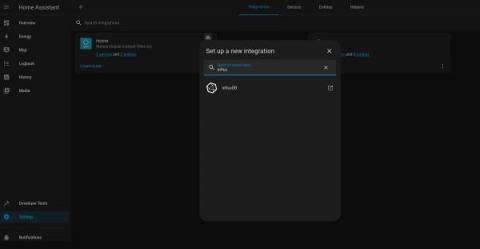
This post covers how to get started with Home Assistant and Grafana, including setting up InfluxDB and Grafana with Docker, configuring InfluxDB to receive data from Home Assistant, and creating a Grafana dashboard to visualize your data. It provides a comprehensive guide for real-time monitoring and analysis of Home Assistant data. In this tutorial, you’ll learn how to integrate Grafana with Home Assistant using InfluxDB.
This post was written by Siddhant Varma. Scroll down for the author’s bio. Observability is an essential aspect of a healthy software architecture and a highly performant system. It enables developers and engineers to understand and dive deeper into how their application behaves. This in turn helps them monitor it effectively.
Engineering organizations that ship fast have Observability as part of their core DNA.
East Hanover, NJ — May 26, 2023 — Alloy Software is thrilled to announce that our latest offering, Alloy Navigator 2022, has been honored with the prestigious 18th Annual 2023 Globee® Awards for Information Technology. This achievement recognizes our commitment to delivering outstanding products, solutions, and services that set new industry standards.