Mailchimp
Not subscribed to OpsMatters Newsletter


You likely do not own your server, but you do have an interest in making sure the applications you run on your server remain responsive. You need to know the full story, and a combination of external and internal monitoring is how you get there. Marketers understand the word “responsive” to mean “capable of rendering on any screen”, but we can think about responsive in more fundamental terms.
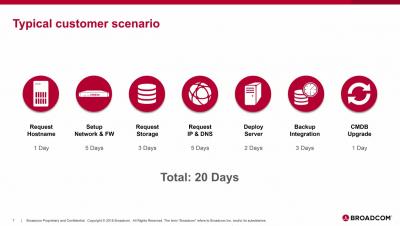
Managing hardware assets, manually, from the time they are purchased to the time they are disposed of is a tedious, cumbersome task that is susceptible to many errors. These manual and scattered processes are often inaccurate and difficult to manage. Manual data keeping means that asset information is stored in silos, which raises the overhead expenses, increases the likelihood of asset theft and losses, and makes it hard to comply with the organization’s standards and regulations.
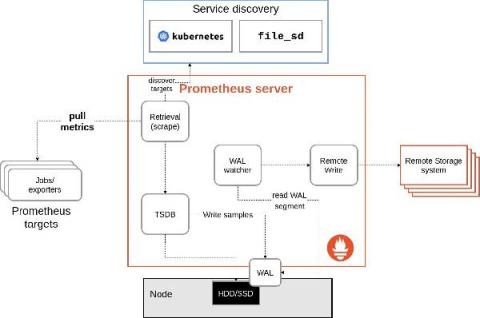
Prometheus’s remote write system has a lot of tunable knobs, and in the event of an issue, it can be unclear which ones to adjust. In this post, we’ll discuss some metrics that can help you diagnose remote write issues and decide which configuration parameters you may want to try changing. First, let’s discuss how remote write is implemented. In the past, remote write would duplicate samples coming into Prometheus via scrape.