Mailchimp
Not subscribed to OpsMatters Newsletter


Managing applications at scale often comes up as one of the biggest concerns for businesses; How can it work smoothly? How do we monitor so many resources? How do we maintain best practices with constantly evolving infrastructure? In this article, we run through the best approach for operational excellence looking at serverless monitoring strategy, serverless alerting strategy, and security and compliance best practices.
In this article, we’ll cover the key differences between APIs and microservices as answered by our contributors consisting of senior decision-makers and CTOs from technology companies around the world. One of the most popular ways to consume data from a web service is through a web application programming interface (API). By interface, we are referring to an agreement, or schema, that anyone using this API must abide by.
In the on-premises world, you have to provide your own capacity, which requires a delicate balance. Because you pay for all the hardware and software regardless of whether you use it, you don’t want to tie up budget if you don’t need it.
The Windows server is typically installed on heavy-use servers that act as the backbone of various IT apps and services. If you’re an organization that employs a Windows Server, you need to stay on top of your Windows server performance monitoring. This post discusses what Windows Server performance monitoring is and why it is essential, as well as best practices. Let’s get started! In this post, we’ll discuss: Let’s get started!
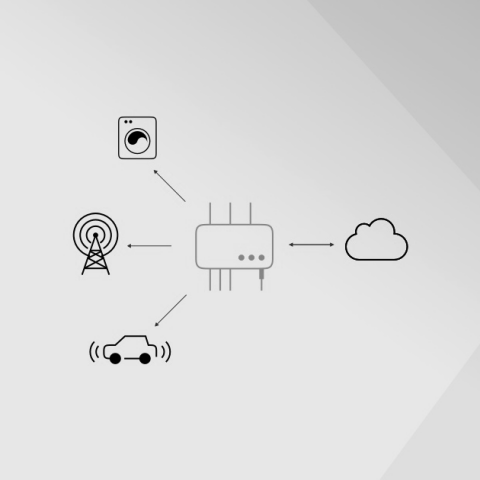
“The King is dead, long live the King.” It might be my french roots speaking, but it seems that actual use cases are replacing King Edge, and it might be for the best. Warning; do not read this blog if you’re particularly sensitive about edge computing (and if you don’t know what this is about, read the “What’s the deal with edge computing?” blog first).
Ninjas are known for their stealth and agility, skills that take much practice and study to master. They are never satisfied with their current abilities and always seek to improve. Those noble aspirations are not limited to secret warriors. In the current climate, IT leaders are also busy adding new capabilities to their skillset. In my IT Experience Podcast, I regularly sit-down with IT pros who have valuable advice for their peers.
As you may know, InfluxDB is available in multiple forms, including InfluxDB Open Source and InfluxDB Cloud. Customers will sometimes ask us, “If I’m using InfluxDB Cloud, is there any reason I should also consider using InfluxDB open source?” It’s a fair question.
I’ve been primarily a Javascript developer for a long time now, it’s been my go-to language for the better part of a decade now, I even wrote a post on how to implement observability in a traditional Node.js application. Now, on top of hacking around in JS, I also love building things for AWS Lambda which is AWS’s option for Functions-as-a-Service.
After months of hard work with our team of 6. We're glad to announce that our deployment engine is now open-source. Now it's time and possible to contribute. Qovery engine is still under development, but more than 600 developers and dozens of successful companies use our Engine for 11 months through Qovery.