Operations | Monitoring | ITSM | DevOps | Cloud

Latest posts

Email Security Risks: Why You Need a Cyber Security Plan

Even though technology has advanced significantly over the past few decades, hackers and cybercriminals still target large volumes of email messages daily. Some of the biggest types of things that get sent through email include malware, ransomware, trojans, and viruses. These things are often disguised in some sort of “friendly” email message, an embedded link, or a cute kitten meme.

InfluxDB 2.0 Release Candidate Now Available

Today we announce InfluxDB 2.0 Open Source’s first official release candidate (RC). This represents a final version of the software as we move towards general availability. We appreciate all the feedback from our users over the last few years and realize that getting to this stage has taken longer than any of us predicted.

Getting Started With Honeycomb Metrics

Honeycomb is an event-based observability tool, but you can-and should-use metrics alongside your events. Fortunately, Honeycomb can analyze both types of data at the same time. When maturing from metrics-based application monitoring to an observability-based development practice, there are considerations that can make the transformation easier for you and your team.

Work From Anywhere - 12 Tips to Help IT Support a Distributed Workforce

You will receive an email shortly containing the asset. Supporting a work-from-anywhere (WFA) model can be especially tricky for IT and at times, down right counterproductive for employees. Get practical advice that has been tested by 1,000s of Nexthink customers. Learn how your IT team can deliver a powerful Digital Employee Experience to your distributed workforce in these 12 simple steps.

logz.io: Jump Starting SRE Within Your Organization

Site Reliability Engineering (SRE) is a hot topic in the industry today that helps define the activities of tomorrow's Operations organizations. In this webinar you will learn how to begin an SRE practice within your organization. This includes Service Level Objectives, measuring your business for success, and understanding how much risk you are undertaking. We will help you establish realistic baselines and ensure the foundation is in place to grow your practice and avoid the traps of common implementations that can mislead business decisions.

Sysdig: So Many Metrics, So Little Time:5 Prometheus Exporter Best Practices

If you are using Prometheus exporters to gather information from third-party applications and cloud services, it can sometimes feel like the wild west. There are many exporters to choose from and they have to be configured and maintained correctly to make sure you are getting the most value out of them. In this webinar, we will share five best practices to implement when choosing and deploying Prometheus exporters, dashboards and alerts that will apply not just to a single DevOps team, but to your extended teams and entire environment as well.

System extensions are replacing macOS kernel extensions. How will this affect you?

From the outset, Apple has been keen to protect user privacy and security, and deprecating kernel extensions is one of the company’s latest moves towards modernizing its platform. As part of Apple’s sustained effort to make macOS a more reliable and secure platform, the tech giant announced at WWDC 2019 that kernel extensions are going to be replaced in macOS Catalina with Apple’s new technology, system extensions. But, why should you care? Let’s explore now.

Gain actionable insights with XHR-level detail for response codes

A broken or poor performing XHR can significantly impact a user’s experience with a page by slowing down the load time or causing it to break entirely. Many of our customers monitoring web applications agree that monitoring and optimizing XHR calls is the biggest lever they have to improve application performance. In April of this year, we announced that Raygun Real User Monitoring can now surface analytics into the response codes from XHR calls.

Monitor SSL TLS Certificate Expiration

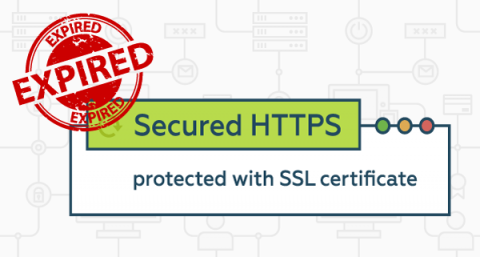
Secure Socket Layer (SSL) and its successor, Transport Layer Security (TLS) are protocols designed to safeguard traffic over the internet. SSL certificates allow websites to move from HTTP to HTTPS, a more secure communication channel on a network. Starting this September, the lifespan of an SSL/TLS certificate will be limited to 398 days, a reduction from the previous maximum certificate lifetime of 825 days.