Mailchimp
Not subscribed to OpsMatters Newsletter


In part 1, we looked at an overview of auditing servers. In this blog, we’ll discuss which events you need to audit in your databases and file servers where sensitive data is stored. New data protection regulations and large-scale global attacks have made this more important than ever before. The main goal is to not only ensure that the accesses and modifications to sensitive data in your network are authorized, but also that file and column integrity are maintained.
We want to begin this post by thanking our long-time Uptime.com members for bearing with us through the transition to our new user interface. You have no doubt noticed the changes. The adjustments to the UI are small, but some important features are now in a different place. Our intent was a more intuitive design. Today, we’ll walk you through some of our most important decisions in this post. First, we’ll document some changes to be aware of.
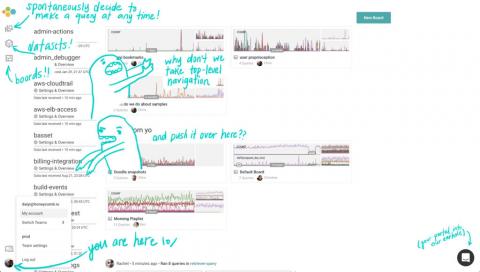
Welcome to a fresh new Honeycomb navigation! At the hive, we’ve been working on making navigating your Honeycomb environment simpler and more intuitive, and just deployed some changes that we hope you’ll agree have made progress toward that goal.
The Sumo query language can be a source of joy and pain at times. Achieving mastery is no easy path and all who set on this path may suffer greatly until they see the light. The Log Operators Cheat Sheet is a valuable resource to learn syntax and semantics of the individual operators, but the bigger questions become “how can we tie them together” and “how can we write query language that matters?”
The term DataOps was coined back in 2015 but only really became a significant force in professional circles during the latter part of 2017. But what is this latest tour de force in software development methodology?
Ahoy there. Continuous shipping: a concept many companies talk about but never get around to implementing. The first post of this three-part series discussed the importance of continuous shipping, while Part 2 steered us into the depths of the process itself. We’re all hands on deck for part three, where we’ll wrap up the second half of the continuous shipping process.