Operations | Monitoring | ITSM | DevOps | Cloud


The latest News and Information on Cloud monitoring, security and related technologies.

Anodot vs. AWS: Which Has the Most Accurate Cloud Cost Forecasts?
The move to cloud computing has been a no-brainer for many enterprise companies. But cloud computing is an expense that, unlike many other operating costs, is largely variable. Many companies — including the fastest-growing startups, largest enterprises, and leading government agencies — choose AWS to help them streamline fragmented processes, reduce costs, become more agile, and innovate faster.
Debugging with Dashbird: Resolving the Most Common API Gateway Request Errors
Adding an API Gateway to your application is a good way to centralize some work you usually have to do for all of your API routes, like authentication or validation. But like every software system, it comes with its own problems. Solving errors in the cloud isn’t always straightforward, and API Gateway isn’t an exception. AWS API Gateway is an HTTP gateway, and as such, it uses the well-known HTTP status codes to convey its errors to you.
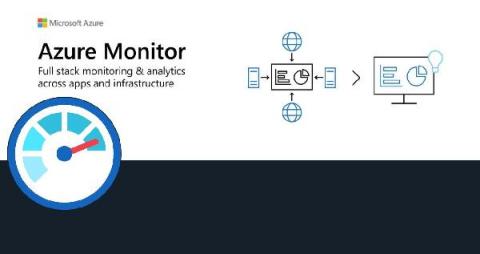
Integration of Enterprise Alert 9 with AzureMonitor
Our Azure Monitor connector provides seamless 2-way integration of Enterprise Alert 9 with Azure Monitor. Once added to your Enterprise Alert instance, the connector will read your Azure Monitor alerts fully automatically and trigger alert notifications, e.g. to your team members on duty. It also synchronizes the alert status from Enterprise Alert 9 to Azure Monitor so that if alerts are acknowledged or closed, this status is also updated on the according alert in Azure Monitor.

Open source and cloud technologies for retail and e-commerce | Aiven Webinar
AWS Kinesis vs SNS vs SQS (with Python examples)
How to choose a decoupling service that suits your use case? In this article we’ll take you though some comparisons between AWS services – Kinesis vs SNS vs SQS – that allow you to decouple sending and receiving data. We’ll show you examples using Python to help you choose a decoupling service that suits your use case. Decoupling offers a myriad of advantages, but choosing the right tool for the job may be challenging.
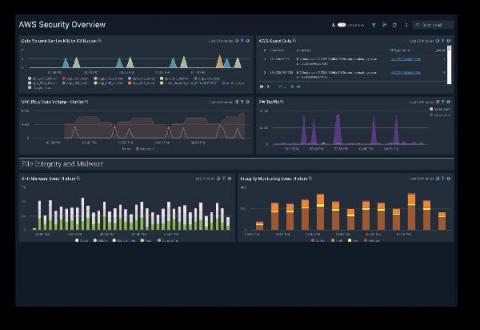
Introducing Sumo Logic Cloud SIEM powered by AWS

Understanding Azure Logic Apps Resource Types
Comparing The Private Connectivity Offerings Of AWS, Google Cloud & Microsoft Azure
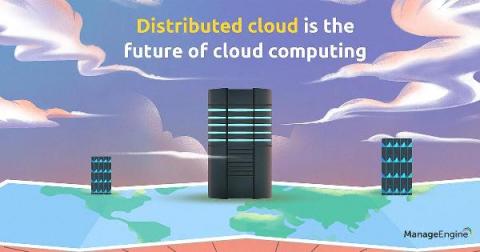
Five worthy reads: Distributed cloud is the future of cloud computing
Five worthy reads is a regular column on five noteworthy items we’ve discovered while researching trending and timeless topics. Distributed cloud allows organizations to bring cloud computing closer to their location. This week we look at why it’s the future of cloud computing.