
Operations | Monitoring | ITSM | DevOps | Cloud

Why ISPs Must Adopt a Modern DDoS Mitigation Solution Now

Internet Service Providers (ISPs) face an escalating threat from Distributed Denial-of-Service (DDoS) attacks, which can disrupt entire networks, damage customer trust, and hit service-level agreements hard. Unlike individual enterprises, ISPs must protect multiple downstream clients simultaneously, often across vast geographies. In this climate, investing in the right DDoS mitigation solution is vital for uptime and safeguarding reputation and revenue.

Attack Surface Visibility: Research Uncovers Critical Security Blind Spots

You can’t fix what you don’t know is broken. Proactive attack surface management begins with total attack surface visibility, but persistent cybersecurity data blind spots leave organizations vulnerable. Ivanti’s 2025 State of Cybersecurity Report finds that siloed and inaccessible data limits visibility into threats and impedes security efforts and response times.

Multiple Malicious Packages Discovered on PyPI, npm, and RubyGems

Evidence of broad and sustained attacks using several npm, Python, and Ruby packages continues to emerge. A series of malicious packages have been added to the npm, PyPI, and RubyGems package repositories. The attacks have been ongoing for some time, with some seeded years ago. Their aims are manifold, including stealing funds from crypto wallets, deleting codebases, and obtaining Telegram messaging data.

XRPL Supply Chain Attack and How to Block it Using Cloudsmith's Enterprise Policy Management

Yet another supply chain attack has surfaced, this time using the xrpl library to sneak through malicious packages. xrpl.js is recognised as the recommended npm library for integrating the XRP Ledger (XRPL) with JavaScript/TypeScript applications, and has over 140k downloads a week.

Why You Can't Afford to Ignore Software Supply Chain Attacks

Ivanti’s 2025 State of Cybersecurity Report revealed that just 1 in 3 organizations feel prepared to protect themselves from software supply chain threats. With attackers increasingly targeting third-party dependencies, supply chain attacks may become a painful Achilles heel for cybersecurity if organizations continue to overlook them.

A Process for DDoS Incident Response

A distributed denial of service (DDoS) attack overwhelms a server, service, or network with internet traffic to disrupt or halt normal operations. This is typically achieved by multiple compromised systems flooding the target with traffic. The result is that legitimate users cannot access the systems or services, causing significant operational and financial impact.

Is Your Attack Surface Growing Faster Than Your Security?

In today's digital-first business environment, the race to adopt new technologies often outpaces the strategies to secure them. From cloud services to remote work tools, organizations are rapidly expanding their digital presence. However, with every new tool, platform, or endpoint comes a new potential vulnerability. This expanding "attack surface" can leave businesses exposed, especially if they don't actively monitor and manage it.

Think PDFs Are Safe? Here's How They Could Infect Your Device

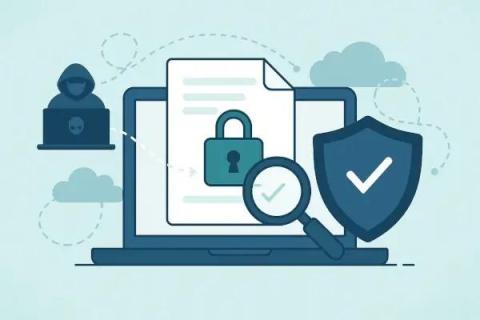
We often trust PDFs to be safe since we use them for contracts, reports, e-books, and even personal documents. Their universal compatibility and read-only nature give an illusion of security. But this absolute trust is misplaced. Cybercriminals have mastered the art of embedding malicious code within PDFs, turning them from innocuous formats to latent threats. Trusting that PDFs are safe will leave users vulnerable to an array of attacks that compromise their personal information and professional data.

BIMI and Email Authentication: Why Your Business Needs It for Better Email Security

With the rise in cyber attacks, phishing, and impersonation attempts, the corporate email landscape has become ever more reliant on email security. As consumers are increasingly unwilling to open legitimate email communications from once trusted senders, companies need to ensure that all of their communications come across as secure and legitimate from their end. That's where BIMI comes into play. Not only does it enhance security as an email authentication tool, but it also promotes brand awareness.