Operations | Monitoring | ITSM | DevOps | Cloud

From Cyberattacks to Data Leaks: Rethinking Digital Risk Protection

Digital threats change faster than many teams can keep up with today. Staying safe requires more than just a strong password or a basic firewall. Modern risks come from many angles, like phishing and simple human error. Taking a new look at protection helps keep your data where it belongs.

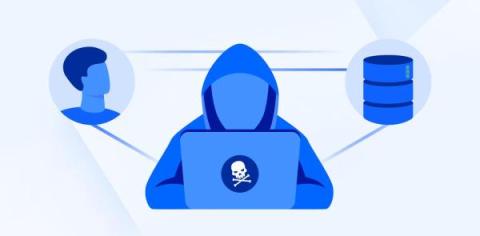
10 Tips to Prevent Eavesdropping Attacks in Your Organization

Businesses today leverage technology in almost all aspects of their operations because it enhances efficiency. However, this reliance on digital tools exposes them to cyber threats like eavesdropping. Research says more than 37% of smartphones worldwide have become eavesdropping targets. That's a lot of mobile devices belonging to employees of many companies.

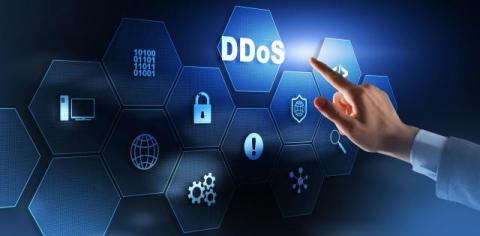
DDoS Mitigation at the Edge and the Content Delivery Network Advantage

A DDoS rarely announces itself politely. One minute, service is healthy. The next, you're staring at rising error rates and a system that can't scale its way out of trouble, wondering how to respond to the incident. Mitigation at the edge changes the outcome when the attack looks like a messy mix of everything at once. The real advantage of placing a content delivery network (CDN) in front of the origin as a reverse proxy isn't speed. It's containment.

Types of Cyber Security Attacks

Damaging cyber attacks are a rising concern as organizations increasingly rely on digital technology for managing sensitive data and running core business operations. While technology can increase business efficiency, without security measures in place, a digital-first approach can end up introducing vulnerabilities and putting data at risk.

How Browser Hijackers Impact Enterprise Observability and Monitoring Tools

The browser is an essential component for enterprise execution. Given the browser's importance, observability relies on accurate, trustworthy telemetry. Browser hijackers are a dangerous threat because they operate below the radar and introduce operational risks that undermine monitoring reliability, degrade signal quality, and affect decision-making and telemetry across an enterprise's ecosystem.

Understanding Today's Biggest Cyber Threats and How Professionals Can Prepare

Cyber threats are growing faster than many organizations can keep up with. As technology becomes more connected and embedded in daily life, the risks around digital systems rise just as quickly. Businesses, individuals, and governments depend on networks, cloud services, and remote tools, and each layer introduces new vulnerabilities. Attackers continually refine their methods, making the threat landscape constantly shift.

DLL Hijacking: Risks, Real-World Examples and How to Prevent Attacks

There’s been buzz around CVE-2025-56383 (published on Sept. 26, 2025), a hijacking vulnerability in Notepad++ v8.8.3 in which a DLL file can be swapped to execute malicious code. The CVE has been disputed by multiple parties, but we’re not here to comment on that. However, we are here to comment on DLL hijacking and discuss the very real threat that it poses to an organization. Let’s look into what DLL hijacking is and what measures you can take to keep your DLLs safe.

How to Protect a Server from DDoS Attacks: 10 Practical Ways That Actually Work

DDoS attacks are no longer exotic weapons used only against banks, governments, or global tech giants. Today, a small online store, a SaaS startup, or even a personal blog running on a VPS can become a target. The barrier to launching an attack has dropped dramatically, while the damage such attacks can cause has only grown. Any server connected to the internet is exposed by default - the only real question is how prepared it is.

Why do companies buy Exposure Management Platforms?

For the better part of two decades, the cybersecurity industry has been running on a treadmill. We call it "Vulnerability Management," but in practice, it's often little more than a never-ending game of "Whac-A-Mole." Security teams run a scan, generate a 500-page PDF of Critical vulnerabilities, hand it to IT, and pray that patching happens before an exploit does. Then, they repeat the cycle next week.

AI for Good: Securing Networks in the Age of Autonomous Attacks

The rise of autonomous AI attacks operating at machine speed demands that network security evolve beyond human capacity and manual processes. Kentik AI Advisor counters this threat by using AI for good, reasoning across full network context to proactively eliminate vulnerabilities and guide immediate, confident defense.