Operations | Monitoring | ITSM | DevOps | Cloud


The latest News and Information on DevOps, CI/CD, Automation and related technologies.
Part 6: Observability Maturity Model Summary

For decades, IT operations teams have relied on monitoring for insight into the availability and performance of their systems. But the shift to more advanced IT technologies and practices is driving the need for more than monitoring – and so observability evolved. With infrastructures and applications that span multiple dynamic, distributed and modular IT environments, organizations need a deeper, more precise understanding of everything that happens within these systems.

Automate deployment of a Vue.js application to Firebase

A quick search of the internet will reveal many services available for freely hosting single page applications or static sites. Firebase is one of these services. Firebase is a development platform developed by Google that provides file storage, hosting, database, authentication, and analytics. It is free, provides an SSL certificate by default, and offers impressive speed across multiple regions. I have chosen Firebase for hosting our demo application in this tutorial.

Deploy your Next.js application on Vercel using Sentry and GitHub Actions

Thanks to the power of open source tooling and cloud services, shipping an application to production has never been that easy, In this blog post, we are going to go from bootstrapping a Next.js application to deploying it on Vercel. We will use Github Action to handle the Continuous Integration and Sentry to monitor the application once it is deployed to be warned of any problems as soon as it arrives.

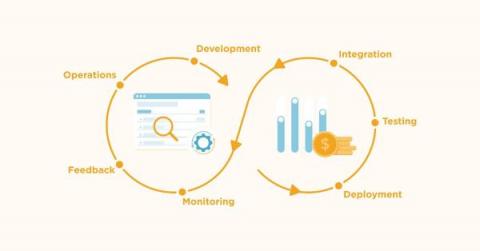
How to get complete CI/CD pipeline observability

It's not like it used to be back in the day! Before CI/CD, we were building on-premises, service-oriented products following system style architecture and we were able to map out the build system and end-to-end process in a PowerPoint or Visio document. Although time-consuming and inefficient, it was relatively straightforward and the build pipeline was unlikely to change drastically. But that's no longer the case.

PostgreSQL Monitoring Upgrade

Netdata for PostgreSQL monitoring just got a huge upgrade, collecting 100+ PostgreSQL metrics and displaying these across 60+ different composite charts. You can check the reference documentation for the full list of metrics, and see them running live in the demo space. If you are using PostgreSQL in production, it is crucial that you monitor it for potential issues. And the more comprehensive the monitoring the better!

Scorecards for Resources

Cortex’s Resource Catalog allows engineers to track all of their infrastructure components — from databases to Kafta topics — in a single place. The Resource Catalog demystifies infrastructure, giving developers clear insights into exactly how their service architecture works. Using the Resource Catalog, it’s easy to find information about which infrastructure assets are running and how all the distinct components connect.
Featured Post

The Economic Crunch is Here: Time to Get AIOps Right

Economic warning signs are flashing, and organisations of all sizes are balancing the need for fiscal discipline and efficiency while fighting to retain customers, when a single negative interaction can send them running to a competitor. Business digital operations are more complex than ever, compounding the problem is that companies are still adapting to remote work and pandemic-driven digitisation. Our recent report confirms that delivery teams are facing increased pressures, unreasonable business demands, and higher rates of burnout.

The 10-Step Framework To Developing A Cloud Cost Strategy

Cloud cost intelligence is a game-changing way to understand where your money is going and what that means for your business. Any company with a cloud services bill can benefit from a cloud cost intelligence strategy that outlines which spending decisions are beneficial and which should be scrapped in favor of something else. But let’s say you have done your background research and you understand what cloud cost intelligence is and why it matters. Where do you go from there?