Operations | Monitoring | ITSM | DevOps | Cloud

The latest News and Information on DevOps, CI/CD, Automation and related technologies.

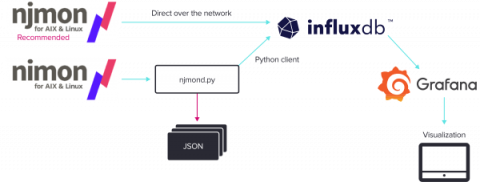
Reimagining nmon Using InfluxDB

IBM engineer Nigel Griffiths built nmon in the 1990s to monitor operating system performance data for AIX. Since its original launch, Griffiths revisited and revamped nmon. For example, he built an open-source version for Linux. Despite drastic change in the very nature of computing and exponential growth in storage, memory, and compute power, it wasn’t until 2018 that Griffiths sought to completely re-write the tool and bring it into alignment with modern computer systems.

Kubernetes alternatives to Spring Java framework

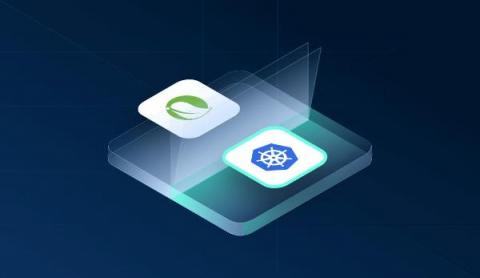
Spring Cloud and Kubernetes both complement each other to build a cloud native platform and run microservices on the Kubernetes containers. Kubernetes provides many features which are similar to Spring Cloud and Spring Config Server features. Spring framework has been around for many years. Even today, many organizations prefer to go with Spring libraries because it provides many features. It's a great deal when developers have total control over cloud configuration along with business logic source code.

Kubeflow 1.6 on Kubernetes 1.23 and beyond

Kubeflow is an open-source MLOps platform that runs on top of Kubernetes. Kubeflow 1.6 was released September 7 2022 with Canonical’s official distribution, Charmed Kubeflow, following shortly after. It came with support for Kubernetes 1.22. However, the MLOps landscape evolves quickly and so does Charmed Kubeflow. As of today, Canonical supports the deployment of Charmed Kubeflow 1.6 on Charmed Kubernetes 1.23 and 1.24.

Building great developer experience at a startup

At incident.io, our number one priority in engineering is pace. The faster we can build great product, the more feedback we can get and the more value we can deliver for our customers. But pace is a funny thing. If you optimise for pace over a single month, you’ll quickly find yourself slowed down by the weight of your past mistakes.

Device discovery: The path to total network visibility

For an organization to prevent cyberattacks, it first needs complete visibility into all the events that occur within its network. With this visibility, the organization can analyze risky behavior by users and entities, and take the necessary steps to proactively secure itself. However, if an attack were to still happen, the organization again needs complete visibility to identify how and from where the attacker entered the network.

Monitoring Strategies: An Introductory Guide With 5 Examples

Monitoring is an integral part of most organizations. The monitoring process usually consists of several tools that, combined, show you information about whatever you're monitoring - applications, infrastructure, networks and so forth. While monitoring may seem like an obvious practice to some, it can be challenging to establish the best monitoring strategy for your organization.

There's a better way: how an incident management tool helps you conquer response challenges

As a solutions engineer for FireHydrant, I speak with a wide variety of companies about their incident management programs — from start-ups with a handful of employees to large enterprise companies with thousands of engineers. Whether they’re looking to establish their incident management program or mature it, the same questions remain.