The latest News and Information on DevOps, CI/CD, Automation and related technologies.
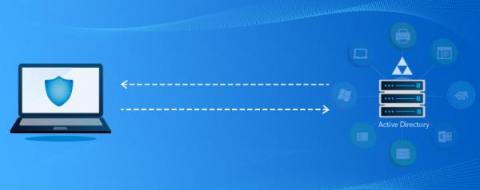
For readers who have returned to this blog after understanding the basics of Active Directory (AD) in part 1 of this series, welcome back! For all new readers: Hello! Get ready to jump into the world of AD. It would be good to take a quick peek at what was covered in part 1 before you continue. Be sure to read through part 1 as it will be your guide to: Part 2 of this series aims to introduce the interrelation of AD with the Domain Name System (DNS).
We break down the NuGet ecosystem in Cloudsmith's first ever hosted webinar!
IT Operations is experiencing lightning-fast change right now. From the emergence of cloud computing to the explosion of data—not to mention ever-present cyber threats—every day is a new day for IT Ops. At BigPanda, we’re laser-focused on making life easier for IT Ops teams, which means we’re staying on top of all this change to help IT Ops keep up.
Kubernetes. Nowadays it seems companies in the industry are divided into two pools: those that already use it heavily for their production workloads and those that are migrating their workloads into it. The issue with Kubernetes is that it is not a single system the way Redis RabbitMQ or PostgreSQL are. It is a combination of several control plane components (for example etcd, api server) that run our workloads on the user (data) plane over a fleet of VMs.
As a software engineer and technical content creator, I work with a lot of companies on many different contracts. To get paid for my work, most companies require that I send an invoice. Sometimes they want one daily, at the end of the week, or even when the project has been completed. Sending an invoice to my clients is crucial because it determines when and if I will get paid on time. If this sounds like a repetitive task that can eat deep into my productive hours, you are right.