Operations | Monitoring | ITSM | DevOps | Cloud

The latest News and Information on DevOps, CI/CD, Automation and related technologies.

What is Behavior-Driven Development (BDD)?

Behavior-Driven Development (BDD) is a software development methodology in which applications are built to match the behaviors a user would expect from the software. An evolution of Test-Driven Development (TDD), BDD gathers user stories about how users expect applications to behave, then creates software tests to validate that their applications match this behavior. The BDD methodology utilizes specific language and naming conventions.


Building a Collective Defense: Collaborative Threat Intelligence and Information Sharing for Critical Infrastructure

Critical infrastructure — including systems vital to energy, water, transportation, communication, healthcare, finance, the military, and more — is the backbone of any nation’s public health, safety, security, and economic stability. As a result of their necessity, these systems are prime targets for sophisticated state-sponsored threat actors, organized cybercrime groups, and even hacktivists interested in drawing the most attention to their cause.

The Role of DevOps in Healthcare: Streamlining EHR Deployments and Updates

The healthcare industry is undergoing a digital transformation, with Electronic Health Records (EHR) at the forefront of this change. However, implementing and updating EHR systems remains a challenge for many healthcare providers, particularly due to complex regulatory requirements, data security concerns, and the need for uninterrupted patient care.

Introducing Megaport NAT Gateway

Cut your traditional NAT gateway costs by 70% or more with Megaport’s new software solution. For large businesses, Network Address Translation (NAT) is a must. But when speaking with our enterprise customers about the software side of their architecture, the complaint was always the same: The ballooning egress fees that come with moving massive amounts of data quickly become a major cost burden.

What is Platform Engineering and Why is it Important?

Without the right frameworks in place, software development often feels like managing a project with too many moving parts and no cohesive plan. A good solution to this problem would be having a unified platform that streamlines processes, integrates tools, and provides consistency across the development lifecycle. That’s what platform engineering offers—it simplifies the complexities of software development by making it easier to build, deploy, and maintain digital infrastructure.

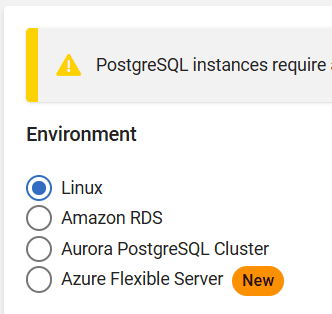
Redgate Monitor Support for Azure PostgreSQL Flexible Server

Azure Flexible Server joins the suite of PostgreSQL hosting platforms supported by Redgate Monitor, which also includes Linux hosts or VMs, Amazon RDS and Aurora. Our goal is to provide you with a single-pane-of-glass view of your entire PostgreSQL estate, whether it’s running in Azure, AWS, or on-prem, ensuring simpler troubleshooting, better insights, and faster performance tuning.

Datadog Vs. New Relic: Comparing Observability Tools In 2025

Datadog and New Relic didn’t become some of the best observability platforms today by accident. Unlike traditional monitoring tools, both are built from the ground up to be cloud-native. This design is crucial for tracking system health across hybrid cloud infrastructure, modern applications, and microservices/containerized architectures. Both platforms also offer more flexible pricing models than the traditional subscription-based pricing you’ll see elsewhere.

Log Levels: Answers to the Most Common Questions

Logging is essential for understanding what’s happening inside your software. It helps developers and operators catch issues, monitor system health, and track application behavior. A big part of logging is log levels—these indicate how serious a message is, from routine updates to critical errors. In this post, we’ll break down everything you need to know about log levels, how they compare to Syslog log levels, and best practices for making the most of your logs.

The Ultimate Guide to OpenTelemetry Visualization

Modern software systems are complex, with multiple services interacting across different environments. Understanding how they behave—tracking performance, identifying bottlenecks, and diagnosing failures—requires more than just collecting data. OpenTelemetry provides a standardized way to gather logs, metrics, and traces, but the real value comes from making that data easy to interpret through visualization.