

Operations | Monitoring | ITSM | DevOps | Cloud

How Quality Methods Drive Operational Excellence

Operations teams chase the same goal across every sector. They want fewer defects, less rework, and steadier output. The methods that deliver this rarely come from new software alone. Alt text: Technician in safety glasses assembling an electronic circuit board with a precision tool in a factory.
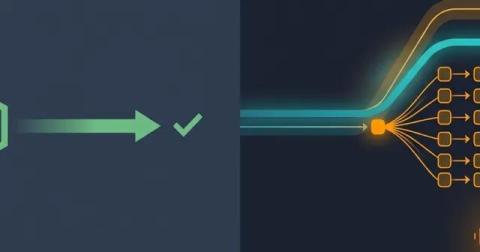
The API tests passed. The database didn't.

We shipped v2 of a small products API on a Thursday. Green CI. Green replay. The new search endpoint worked. I went home feeling competent. Friday morning I ran the same traffic against both builds with proxymock and compared the SQL. v2 had added 80 queries on the same HTTP script. A per-product audit COUNT was firing inside the list handler. A startup migration had run ALTER TABLE and CREATE TABLE audit_log. Total DB time was up 70 ms on a demo that should have been boring.

How to Consolidate Your Azure & Multi-Cloud Monitoring and Avoid Tool Sprawl

This is the eighth blog in our Azure Monitoring series, where we look at a challenge many organizations face as Azure and multi-cloud environments expand: monitoring tool sprawl. What starts as a few monitoring solutions for different needs can turn into disconnected dashboards, duplicate alerts, and fragmented visibility.

Choosing the Right APM Software: 5 Key Factors to Consider in 2026

When applications slow down, users leave, and engineering teams scramble. Whether you're troubleshooting a spike in response times or chasing down intermittent backend failures, Application Performance Monitoring (APM) provides the visibility you need to detect, diagnose, and resolve performance issues before they impact your users or business goals. For engineers, APM isn’t just a convenience - it’s essential. But not all APM tools are created equal.

ServiceNow Runs Your IT. PagerDuty Makes Sure It Never Stops.

For most enterprises, ServiceNow has become the backbone of IT operations, the platform where workflows are governed, compliance is maintained, and every incident, change, and request is tracked from start to finish. If you’re running ServiceNow, you’ve made a serious investment in how your IT operates. PagerDuty is built to make that investment work even harder.

Make the most of shift-based schedules

We recently updated our Schedules to better reflect how teams are currently managing their on-call responsibilities. Not everyone is working on weekly shifts or providing 24×7 coverage for all of their services, and that should be easy to schedule in our new tooling. To give you some examples, I’ve gone back through some of the questions we’ve gotten on the PagerDuty Commons over the past couple of years for questions about custom schedules that we weren’t really thinking about.

How to Measure AI ROI in IT Service Management

A service desk manager launches a virtual agent in January. By March, chat conversations are climbing, ticket volume hasn't changed much, and the monthly report doesn't explain whether the investment is delivering value. AI rarely produces a single number that proves its return. The gains accumulate across thousands of support interactions, making measurement just as important as deployment.

Introducing AI Analytics Reports in InvGate Service Management

Most teams can confirm their AI features are turned on. Measuring how often employees use them, which requests get resolved without agent intervention, and where AI is helping support teams work more efficiently is a different question. In InvGate Service Management, those capabilities live in AI Hub, a set of built-in AI features that includes the Virtual Service Agent, AI-assisted ticket resolution for agents, automated knowledge generation, and more.