The latest News and Information on DevOps, CI/CD, Automation and related technologies.
Kubernetes may provide an abundance of benefits, but those who are using it may be well aware that it often requires quite a bit (or even a lot!) of effort and skill to run the platform independently. So – rather than having to put up with it on their own, organizations are able to pay for a managed Kubernetes service instead. This is where Google Kubernetes Engine (GKE), Azure Kubernetes Service (AKS), and Amazon Elastic Kubernetes Service (EKS) come in.
In 2018, Honeycomb co-founder & CTO Charity Majors wrote a blog post titled, “An Engineer’s Bill of Rights (and Responsibilities).” We’ve recently updated and reposted it.
I caught the tail-end of a Twitter thread the other day which centred around the use of Slack channels for incidents, and whether creating a new channel for each new incident is helpful or harmful. It turns out this is a much more evocative subject than I thought, and since I have opinions I thought I’d share them!
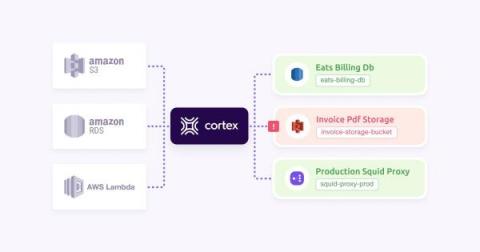
Understanding the impact and scope of an incident when degradation occurs is critical for returning your service online. This requires modeling the many downstream and upstream relationships between your services. Our new Service Dependency Graph provides a shortcut – a way to surface dependencies quickly, understand the relationship between services, and determine the scope or impact of an incident.
We are happy to announce that Charmed Kubeflow 1.6 is now available in Beta. Kubeflow has evolved into an end-to-end MLOps platform for optimised complex model training. We’re looking for data scientists, ML engineers and developers to take the Beta release for a drive and share their feedback! Read on to learn more.
The current trend to move to Zero Trust security architectures using the mantra “Never Trust, Always Verify” is a move that Teneo has long supported. The simple fact is that the traditional castle and moat approach to security built on VPNs is not fit for purpose in the modern world with hybrid users and infrastructures.