Operations | Monitoring | ITSM | DevOps | Cloud

The latest News and Information on DevOps, CI/CD, Automation and related technologies.

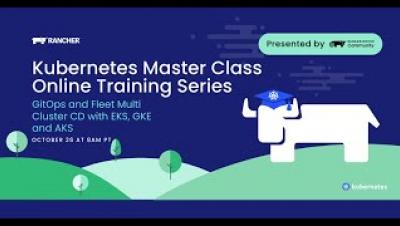
Kubernetes Master Class GitOps and Fleet Multi Cluster CD with EKS, GKE and AKS

GitOps is a relatively new model with a fast adoption rate because of how it enhances the continuous delivery workflow in the Kubernetes context. GitOps requires you to describe and observe systems with declarative configurations that will form the basis of continuous integration, continuous delivery and continuous deployment of your infrastructure. In this session, we will focus on making use of Fleet to manage deployments to multiple downstream clusters at scale.
Announcing support for Windows containers on AWS Fargate

AWS Fargate is a serverless compute engine that allows you to deploy containerized applications with services such as Amazon ECS without needing to manage the underlying virtual machines. Deploying with Fargate removes operational overhead and lowers costs by enabling your infrastructure to dynamically scale to meet demand. We are proud to partner with AWS for its launch of support for AWS Fargate on Windows containers.

Kubernetes 1.23 rc testing with MicroK8s

Today, Kubernetes 1.23 release candidate was made available upstream for testing and experimentation. General availability is planned for December 7th, so now is the time to report back any issues or bugs. Developers, DevOps and open source software enthusiasts can try out the latest features using MicroK8s. MicroK8s is a lightweight, CNCF-certified Kubernetes distribution with a streamlined UX.

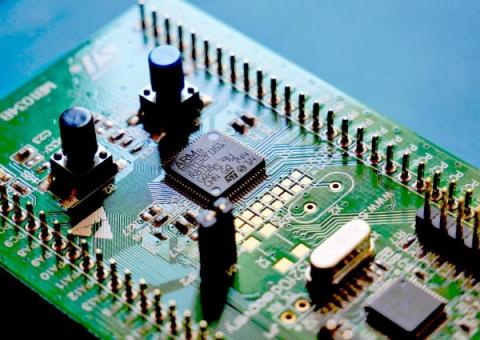
What is embedded Linux? Part I

“Hello everybody out there using minix – I’m doing a (free) operating system (just a hobby, won’t be big and professional like gnu) for 386(486) AT clones. The above is an excerpt from Linus Torvalds’ original announcement of what came to be known worldwide as the Linux operating system (OS), dated August 1991. In hindsight, it is inconceivably modest now that we are in a much better position to appreciate the full revolutionary extent of his post.

Linux Mint vs Ubuntu: Who will win?

Linux is an open-sourced operating system for computers, smartphones, servers, mainframes, and embedded devices. The main advantage of Linux over other operating systems is that Linux is an open-source operating system, which means that you can view, edit, customize, enhance, and share the code with anyone. The release of Linux garnered a huge community of contributors that created a variety of features and distributions for users at no added cost.

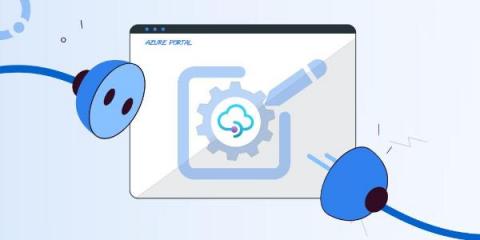
How to rename an API Connection thru the Azure Portal

Starting building Logic Apps thru the Azure Portal is, without a doubt, the most intuitive and fast approach. It doesn’t require any additional tool or software, it doesn’t require a Visual Studio license, and almost all beginner tutorials or documentation use this approach. And finally, all types of users are familiar with the Azure Portal. But not everything is perfect, and one of the most difficult best practices to implement is a proper API Connection naming convention.

10 practices that are changing in software today with Alex Williams

Rob sits down with Alex Williams, founder and editor in chief of The New Stack, to discuss the several changes occurring in software development. Alex shares what he's been hearing on everything from API management to synchronizing supply chain to programmable infrastructure. Tune in today to find out how your team can stay ahead of the complexities of the ever-changing landscape of software.

Kubernetes Master Class Managing Cluster Security at Scale

A Kubernetes cluster has various attack surfaces, from the API server to application traffic. It's important to understand what these potential areas of attack are, and from there, work out the best ways to mitigate the risks. This is especially important when managing multiple clusters. You want to ensure that you are following the right methods, and then standardizing those security approaches to be applied to all your clusters. In this session, we will cover some of the Kubernetes attack vectors and detail how to secure your clusters.