The State of Robotics - News from October 2021
Find out what's new in the world of robotics with Canonical's roundup of exciting industry stories from the month of October!
More robotics insights at: https://ubuntu.com/robotics


The latest News and Information on DevOps, CI/CD, Automation and related technologies.
Find out what's new in the world of robotics with Canonical's roundup of exciting industry stories from the month of October!
More robotics insights at: https://ubuntu.com/robotics
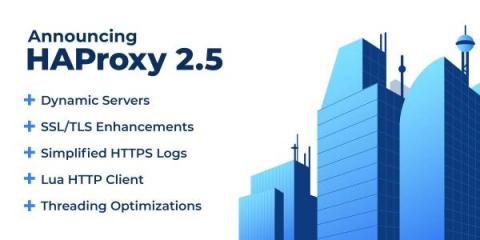
Register for our live webinar to learn more about this release. HAProxy 2.5 is now available! It adds improvements to a number of areas including better usability around setting variables, more descriptive error reporting and logging, and enhanced HTTP and WebSocket support. The HAProxy Runtime API has expanded its coverage of SSL-related commands and now includes the ability to add and remove CA files and revocation lists on-the-fly.
In August 2016, the United States government announced a new federal source-code policy, which mandates that at least 20% of custom source code developed by or for any agency of the federal government must be released as open-source software (OSS). The memo of this policy also states that the Federal Government spends more than $6 billion each year on software through more than 42,000 transactions. Obviously, this is a huge business for all open-source developers.
Cloud computing is the on-demand availability of computer system resources without direct active management by the user. Instead, the delivery of said resources is available over the internet, which has made cloud computing a popular digital service that various industries use to operate and manage work tasks. How cloud computing services are implemented, hosted and accessed by users is called cloud deployment. There are different types of deployments, each with defined advantages for users.
I am a big proponent of cross-functional alignment, as I remnded our ELT at a recent off-site meeting. There’s a lot of buzz about FinOps bringing financial accountability to cloud spend by eliminating procurement siloes and implementing cross-functional best practices. As the CFO of a SaaS company, I fully support this practice. In fact, Virtana recently made some changes to our cloud infrastructure as part of our own evolution.
At incident.io, we're acutely aware that we handle incredibly sensitive data on behalf of our customers. Moving fast and breaking things is all well and good, but keeping our customer data safe isn't something we can compromise on. We run incident.io as a multi-tenant application, which means we have a single database (and a single application).
Making an Open Source Software with sensitive data and dozens of external integrations is a real challenge, here are feedbacks and tradeoffs we've made.
NestJS is fast becoming the de facto framework for NodeJS projects. Unlike older frameworks, NestJS was built with TypeScript, which has become commonplace in the JavaScript community. Frameworks like NestJS seem to be preferred by teams that adopt TypeScript. NestJS supports building APIs in REST and GraphQL. The goal of this tutorial is to show how you can add unit and integration tests to a NestJS GraphQL project and automate the testing process with CircleCI.