v4 Training - Building Enterprise Application Dashboards
Join Matthew Long and Kevin Roast as we look at building dashboards and perspectives on top of Enterprise Applications in Squared Up v4.


The latest News and Information on Monitoring for Websites, Applications, APIs, Infrastructure, and other technologies.
We are pleased to announce the first open source release of our X.509 module for Icinga. The X.509 module for Icinga keeps track of certificates as they are deployed in a network environment. It does this by scanning networks for TLS services and collects whatever certificates it finds along the way. The certificates are verified using its own trust store.
If you’ve been shopping recently, you may or may not have seen stores and shops with screens, promotional videos, product images, statistics, etc. Normally, for this purpose the computers are hidden. These computers have immense power consumption, being on all day just to show something on the screen.
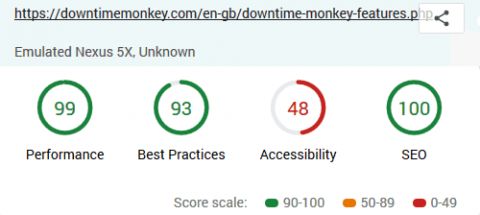
We've just spent several days improving the accessibility of the Downtime Monkey website. Last week we carried out an audit of the site with Google's new tool web.dev, which is currently in beta. The tool returned high scores for three of the four aspects that were tested: performance (i.e. website speed), best practices and SEO (i.e. optimisation for search engines).
We are happy to announce a new bugfix release for Icinga Web 2. Official packages are available on packages.icinga.com. Community repositories might need a while to catch up.
Sentry will be at AWS re:Invent on November 26 through 30 in Las Vegas. We hope to see you there! Unless you’re not going, in which case we hope to see you somewhere else at a different time. There are a couple of ways to meet with us at re:Invent...
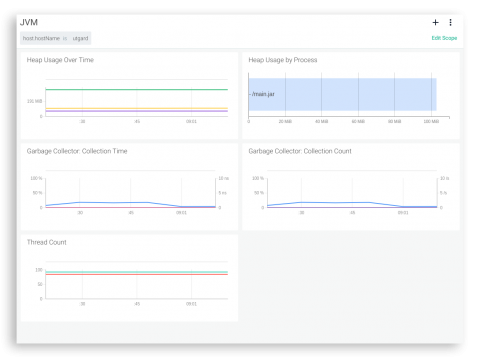
Before the release of Java 9 and 10, there were several limitations to deploying and monitoring Java in Docker. This post explores how the latest versions of Java address the most common of these limitations, and includes examples of how to make the most of monitoring Java in Docker.