Operations | Monitoring | ITSM | DevOps | Cloud

The Debrief: Introducing incident.io On-call

This is on-call as it should be. The secret's out. The world can finally know. incident.io On-call is here. Naturally, a lot of you may be wondering: why and why now. So to help answer those questions, we sat down with Chris and Pete, two of our co-founders here at incident.io to get a bit of background on this project: This episode will not only get you excited about this huge week, it'll get you pumped for what's ahead for on-call.
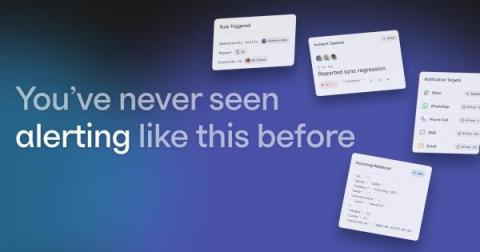

Finally: alerting and on-call scheduling for how you actually work

TL;DR You deserve a better alerting and on-call tool. So we built Signals. In our early days, we often used the tagline, “You just got paged. Now what?” It encapsulated how FireHydrant solved for all of the messy bits that come after your alert is fired, from incident declaration all the way through to retrospective. At the time, we saw alerting and on-call scheduling as a solved problem.

How to set up on-call compensation

Once you set up an on-call team, the next step is to decide their compensation. There might be several questions in your mind right now: "How do we fairly value on-call time?" "Is it a flat rate or hourly?" and a few others. So we are here to help you set up an on-call compensation system because we know compensating people fairly lays the foundation of a healthy business. Are you still stuck on setting up an on-call team? Read this guide first: 7 steps to set up an on-call team.

Use ilert mobile app to take someone else's on-call shift

Use the ilert mobile app to receive push notifications about alerts and gain access to essential incident management features so that you can take immediate action from anywhere. The app also allows you to quickly take over your colleague's on-call shift while on the go. Check out the video to learn more about this feature.

Best practices for creating a reliable on-call rotation

It's fair to say that effectively managing an on-call rota is crucial for ensuring the 'round-the-clock availability of your services. But it's more than that. Spending the time getting your rotas right also empowers and protects the folks who make it all possible: your team. Some best practices for doing this include using software to automate scheduling, setting up teams with clearly defined responsibilities, establishing escalation policies, and defining time limits for issue resolution.

A practical approach to on-call compensation

Asking engineers to be on-call is usually a tough sell. Think about it: if someone asked you to add even more to your already packed workload, that would be a difficult proposition to say yes to. And that’s before you mention that this work typically happens late into the day and even (some) sleepless nights. Companies need to have an on-call function to keep their services and products running smoothly—it’s practically a non-negotiable at this point.

Create Follow the sun Oncall model

Explore the efficient setup of a Follow-the-Sun on-call model using Spike.sh. This video provides a step-by-step guide for tech professionals to implement this global, time-zone-optimized on-call strategy seamlessly. Enhance your team's responsiveness and reduce burnout with our expert tips and insights. Perfect for IT and DevOps teams aiming for 24/7 incident management without compromising on efficiency.

Practitioners Share How They Remove the Fear of On-Call

Being on-call isn’t likely to be the most enjoyable aspect of a job. In fact, there might be a certain level of stress and fear around engineering teams about going on call: maybe the page will be missed, or maybe a page will come in at 2am and require troubleshooting a production issue for hours.

On-Call Software Engineer Roles and Responsibilites

Most software engineers know that they are typically tasked with on-call shifts, but new software engineers entering the field may be asking themselves – What do I even do if I get scheduled for an on-call shift? This is a common question that often doesn’t get answered until that first on-call shift, and unfortunately that can be overwhelming for a young professional who is nervous about their first on-call shift, let alone their first incident.