Operations | Monitoring | ITSM | DevOps | Cloud

Top 6 Open-Source Jaeger Alternatives [comparison 2025]

Jaeger, a renowned distributed tracing system, has been a trusted companion for developers and operations teams seeking to unravel the complexities of microservices architectures. However, as the landscape continues to evolve, the time has come to explore Jaeger alternatives that offer distinct features and advantages.
Traditional Managed Services vs. DevOps Automation Platforms: A Comprehensive Comparison

Infrastructure management is critical for companies building and scaling applications. Traditional managed services (MSPs) handle these tasks externally but often come with high costs, slow execution, and limited flexibility. For teams needing control, speed, and efficiency, DevOps automation platforms might offer a much better alternative.

The Evolution of Observability: From StatsD to OpenTelemetry and Beyond

Observability has evolved from simple system monitoring to a comprehensive discipline, blending metrics, logs, and traces into unified insights. Today, it is the backbone of modern infrastructure management and application performance optimization. As we move forward, the integration of AI and security into observability platforms is shaping the future, making them more proactive, intelligent, and robust.

Golang Monitoring using OpenTelemetry

When it comes to monitoring Golang applications, there are various tools and practices you can use to gain insights into your application's performance, resource usage, and potential issues. By using OpenTelemetry for monitoring in your Go applications, you can gain valuable insights into the behavior, performance, and resource utilization of your distributed systems, allowing you to troubleshoot issues, optimize performance, and improve the overall reliability of your software.

What is a load balancer? And how does it help handle network traffic?

A load balancer, also known as Global Server Load Balancing (GSLB), is the method of splitting and distributing the incoming network traffic to multiple hosts—which can be located at different geo locations—within the organization network. This helps the network effectively manage network traffic and prevent any delays in network services. With load balancing enabled in the hosts, the organization’s network services are faster and provide more reliable responses to clients.

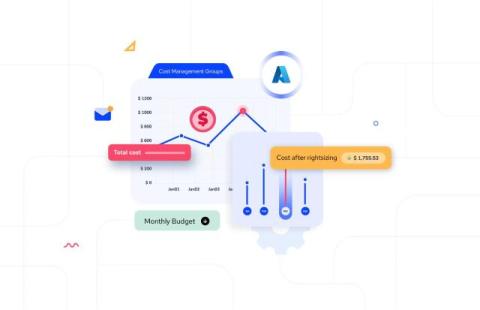
Azure Cost Per Resource Group to monitor and optimize costs

Understanding the cost of Azure resources at a granular level is critical for managing budgets effectively. With resources deployed across different resource groups-be it by teams, departments, or projects-tracking expenses can become complex. By analyzing costs per resource group, organizations can allocate ownership, identify cost spikes, and ensure accountability.

A comprehensive guide to NIS2 Compliance: Part 2 - Understanding NIS2 requirements

In my previous blog, we ran through what NIS2 is and who it applies to. In this second part of the series, I’ll break down the main requirements you’ll find in NIS2 and help translate them into actionable and practical measures you can take to achieve NIS2 compliance. Join me in this post and start understanding what NIS2 is all about.

Stay ahead of service disruptions with Watchdog Cloud & API Outage Detection

Even with the best monitoring in place, outages are unavoidable. Complex, modern IT environments rely on multiple third-party services, including critical cloud and API providers, and when any one of those goes down, it can trigger a domino effect of increased error rates and latency spikes across your system. And, because you don’t have as much visibility into external services, it can be difficult to identify that the problem is due to an outside outage or disrupted service.

Buyer's Guide to Network Automation Tools

In today’s complex IT landscape, network automation is no longer a luxury—it’s essential. This guide will help IT leaders understand the market for network automation tools, the key considerations for choosing a platform, and how these tools are redefining network management from day 0 to the far future. But first, let’s examine some quick network automation history to help us better understand what the future holds!