OnlineOrNot updates from May
It's a warm afternoon here in Toulouse, I feel like it's as good a time as any to update folks about what's new in OnlineOrNot.


Data explosion is prevalent and impossible to ignore in today’s business landscape, with organizations face a pressing challenge: the ever-increasing volume of log data. As applications, systems, and services generate a torrent of log entries, it becomes crucial to find a way to navigate this sea of information and extract meaningful value from it. How can you turn the overwhelming volume of log data into actionable insights that drive business growth and operational excellence?
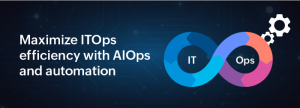
IT networks are the foundation of businesses today. Robust networks enable organizations to conduct seamless business operations and deliver services continuously to customers. To maintain healthy, robust networks, companies depend on ITOps. ITOps refers to the provisioning, monitoring, and management of IT networks to ensure maximum uptime and a better end-user experience.
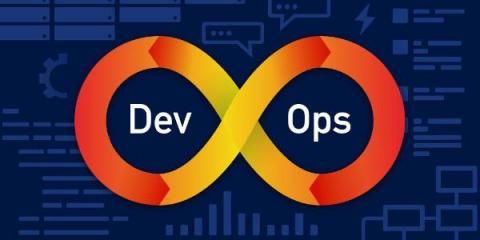
The integration of Development and Operations is a powerful innovation in how we build software. If you're new to DevOps practices, or looking to improve your current processes, it can be tough to know which tool is best for your team. We've put together this list to help you make an informed decision on which tools should be part of your stack. Read on to discover the 29 best DevOps tools, from automated build tools to application performance monitoring platforms.
18 million — that’s the number of developers around the world who use Docker, the popular tool for containerization. Docker Desktop, a software application for Mac, Windows, and Linux, is one of the most widely used tools within the Docker ecosystem, especially among developers who want to build, test, and deploy applications in containers on their local machines.
In my last blogpost I explained how our ipl-html lib works and how to use it. With the help of ipl-html it is possible to add forms. Usually we want to validate the data of the form before submitting it and display messages if the validation fails. For this purpose, we have introduced the ipl-validator. The ipl-validator includes many useful validators, and today I want to explain how you can easily use them.
Graphite is a very popular enterprise monitoring tool. This article will address the common issues that occur while setting up a Graphite instance, and how they can be avoided. We will assume readers have already become acquainted with Graphite, but if you’re interested to learn about the basics of Graphite, check out our articles on the Architecture and Concepts of Graphite and the Installation and Setup before reading this article.
It’s easy to get pulled into paying more and more at a major monitoring company, despite not getting the functionality that you’re looking for. Leaving your monitoring provider can be difficult because it means replacing expensive software or hardware, re-educating your team, and transferring huge amounts of data to a new system - data that may or may not be well suited to the new system. Despite these issues, there are many reasons that motivate users to move to open source.
As we continue to see rapid technological advancements, organizations must evolve and adapt to maintain a competitive edge. The principles of DevOps - collaboration, automation, continuous integration, and delivery - have emerged as critical success factors in this landscape, enabling organizations to navigate the ever-changing environment.