A key metric for measuring how well you handle system outages is the Mean Time To Recovery or MTTR. It’s basically the time it takes you to restore the system to working conditions. The shorter the MTTR, the faster problems are resolved and the less impact your users would experience and hopefully the more likely they will continue to use your product! And the first step to resolve any problem is to know that you have a problem.
Many organizations are looking to implement DevOps due to the promise of increased release velocity, better developmental agility, and the ability to free up time for developers to focus on innovation. However, adopting DevOps isn’t a panacea— instead, the idea of communication, collaboration, and blameless retrospectives that a DevOps model encourages can help foster a leaner system where bottlenecks are solved in a manner that not only fixes the problem, but also improves the process.
When it comes to protecting your company’s important data and network, it doesn’t matter what size your firm is, keeping things safe and running smoothly should be a top priority. For this reason, many invest in network monitoring tools like Pandora FMS. This is because we offer a software solution to make sure your network is always safe and secure around the clock. Let’s learn a bit more about the process of network monitoring and why it’s so important here!
KubeCon Europe 2020 is virtual this year, and Elastic is doing our part to help "keep cloud native connected." We would rather be there in person to shake hands, tell stories, and laugh, but the challenges of a virtual conference also provide the opportunity to share great content and materials that we might not be able to at a crowded booth.
Over time, Java has become a popular programming language in software development. Although Java is more popular with developers than C or C++, this programming language still has its problems. Here are seven Java development mistakes that developers can make and how you can avoid them.
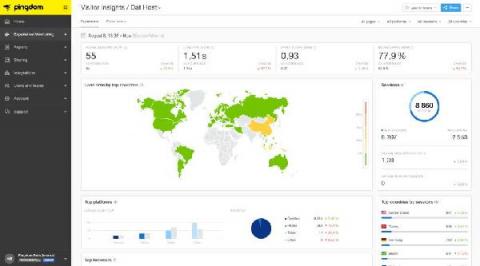
In today’s digital age there are numerous websites that compete to drive traffic to their portals. They invest heavily in strategies like SEO and SMM to get visitors hooked on their content. Getting traffic on your website is important but it’s also critical to understand how visitors interact with your content. This is where website analytics tools and solutions come in.
The stats overview page that we launched in June was very well received. We have followed up on this and developed a similar idea for downtime logs. This went live on Friday and shows downtime records for all your monitors in one place.