Render-blocking resources are JavaScript and CSS files that prevent the web page from loading until they are downloaded. These might be critical resources that don’t get loaded immediately, or non-critical resources that are being loaded at the very beginning. Fixing render-blocking JavaScript and CSS helps improve page load times so sneakerheads don’t bounce to your competitor’s site while waiting for the images of the latest drop to load.
Understanding the impact of each of your deployments is crucial, especially as they become increasingly frequent. Chances are, your team is either aiming to increase shipping velocity or has already started deploying "continuously" (which is to say, multiple times a day). The biggest tech teams at the likes of Amazon and Google deploy thousands of times daily, and Atlassian has found that 75% of enterprise DevOps teams call deployment frequency their most important success criteria. And while CD comes with a host of well-established benefits, it also introduces a heightened risk of introducing new errors and issues.
In today's rapidly evolving technological and business landscapes, staying competitive requires more than just a great product or service. It demands a technological edge that can drive efficiency, innovation, and overall growth. This is where partnering comes into play - it's like turbocharging your business engine. Today, meshIQ is looking to turbocharge our sales teams, processes, and reach by adding power via partnerships.
Microsoft recently announced changes to Azure Active Directory. Today’s article covers the changes, providing sources for considerations, and how Exoprise’s service solutions will be affected.
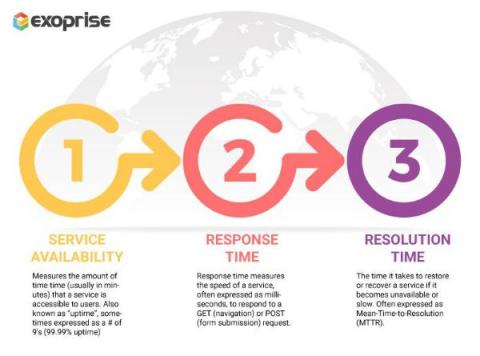
The importance of the network to businesses has increased over the years (obviously). Nowadays, they are the main way that work gets done - they're the main way anything gets done. Consequently, how organizations measure their performance needs to change as well. Rather than just focus on network availability or simple uptime, they need to dig deeper and monitor User Experience. EXperience Level Agreements (XLA) as opposed to the traditional Service-Level Agreements help them reach that goal.