Operations | Monitoring | ITSM | DevOps | Cloud

Podcast - The Power of Observability and Automation of Citrix Technologies with eG Innovations

The Citrix Ready team recently recorded a podcast with eG Innovations for their Tech Fusion podcast series. Hosted by Neil C. Hughes from The Tech Blog Writer, Wendy Howard from eG Innovations’ pre-sales, and Manjunatha Gali from Citrix Ready discussed how eG Enterprise enhances and goes beyond native Citrix monitoring tools with its unique observability and automation features. You can listen to the podcast: They covered a wide range of topics, including.

Unleashing the Potential of SVGs: A Guide to Dynamic Visualization and Monitoring

In the dynamic realm of monitoring Kubernetes clusters, effective visualization is paramount for gaining insights into system health and performance. One versatile tool that has gained prominence in this domain is Scalable Vector Graphics (SVGs). In this blog post, we’ll delve into the usage of SVGs, explore different implementation methods, weigh the pros and cons, and discuss why they are indispensable for monitoring Kubernetes with Icinga2.

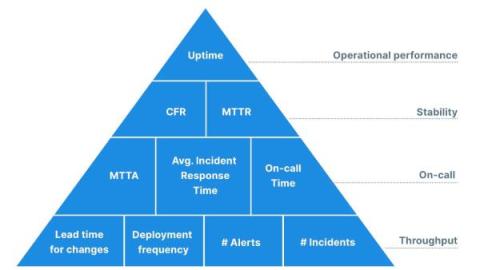
A Practical Introduction to Incident Management Metrics

Tracking your incident management metrics is necessary for any intended optimizations within your organization. Whether your team is looking to align with the company’s business goals, to benchmark and elevate performance, to increase customer satisfaction, or more, scrutinizing these metrics is the way to go.

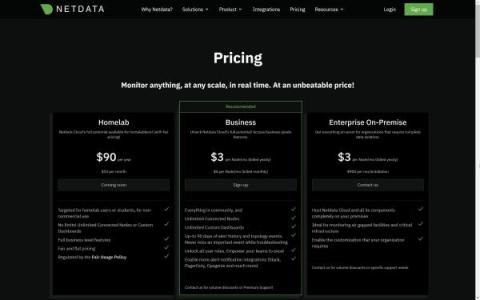
Upcoming Homelab plan!

For full details on the plans and prices, check out our pricing page. Netdata’s vision is to democratize observability and make it accessible to everyone. Whether you are a startup or a multinational corporation, a business user or a home lab user, a non-profit organization or a student - we want you to be empowered with the very best that Netdata can offer.

Azure Pay as You Go Vs Reserved Instances

When dealing with public cloud computing, deciding to reserve or pay-as-you-go for your resources is generally seen as a strategic chess move – it requires foresight, planning, and a clear understanding of your organization’s needs. In this article, we’ll browse through the nuances of this decision-making process, exploring overviews, benefits, limitations, pricing considerations, break-even points, and ultimately, as a desired outcome, reaching a well-informed conclusion.

Azure Cost Reporting to boost cloud resilience and reduce costs

Managing costs within your Azure datacenter is a crucial aspect of ensuring efficiency and optimizing resources. The Azure portal has Azure Cost Management Reports embedded, offering a detailed lens into your cloud spending. In this article, we’ll explore the ins and outs of these reports, their key metrics, best practices, and how to generate and interpret cost reports.

New in Grafana k6: The latest OSS features in v0.49.0 and static IPs in Grafana Cloud k6

Grafana k6 v0.49.0 has been released, featuring a built-in web dashboard for real-time result visualization and tons of other improvements for Grafana k6 OSS. Here’s a quick overview of the latest features in Grafana k6 v0.49.0, as well as some other exciting updates related to Grafana Cloud k6 and the k6 ecosystem. To learn more about k6 and performance testing, check out the Grafana Labs blog.

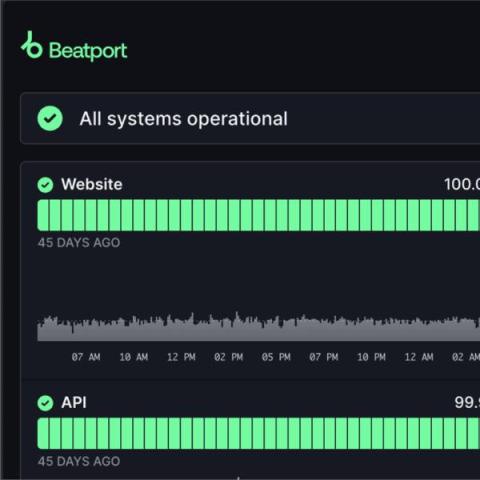
6 Best Statuspage Alternatives in 2024

A status page serves as a vital communication tool, offering real-time updates on the operational status of a service or website. Businesses leverage status pages to enhance transparency, build trust with users, and proactively address potential issues. An effective status page minimizes downtime impact, fosters customer loyalty, and demonstrates a commitment to customer satisfaction, making it an essential component for maintaining a positive online presence.

What Is AWS Graviton? Here's When To Use It

When Amazon Web Services (AWS) launched its new Arm-based processors, some circles believed it was a game-changer for the public cloud markets. To begin with, it was the first time Arm architecture would roll out for enterprise-grade utility, and at a colossal scale. Arm processors had only run on smaller, less demanding devices such as iPhones. So why adopt it for much more demanding workloads in cloud services?