Operations | Monitoring | ITSM | DevOps | Cloud

Why Paradigm switched to Grafana Cloud: Inside their observability stack

As the largest liquidity network in crypto, Paradigm facilitates more than $11 billion in monthly volumes, representing nearly 40% global cryptocurrency option flows. Their free-to-use platform provides a single point of access to multi-asset, multi-instrument liquidity on demand, and Software Architect Jameel Al-Aziz leads the team of developers who build and maintain the platform.
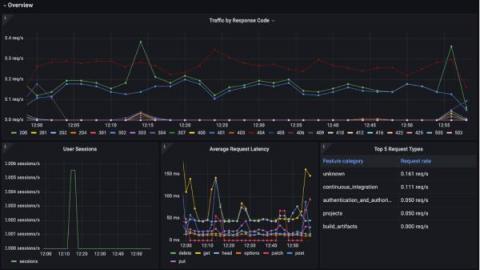

Start monitoring GitLab with our new Grafana Cloud integration

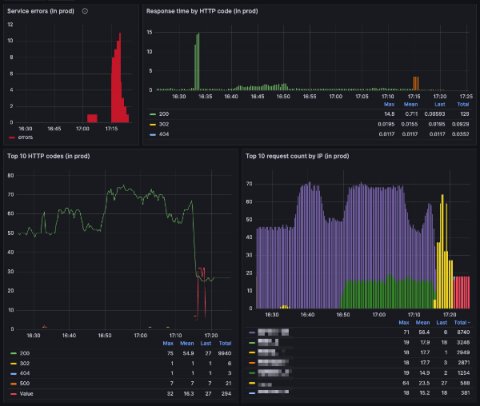
GitLab is a popular open source DevSecOps platform for software development. The Enterprise Edition is a web-based Git repository manager that allows teams to collaborate on code and automate workflows for building, testing, and deploying applications. We already offer the Gitlab datasource plugin, which allows you to query and visualize data from your GitLab instance on your Grafana dashboards.

How to Perform an ISO 27001 Audit

ISO 27001 audits are not just a bureaucratic procedure that you want to quickly get over with and forget. On the contrary, they can be a very important tool to make sure your organization is protected. They objectively evaluate the Information Security Management System (ISMS), help identify potential vulnerabilities, improve security measures, and ensure and showcase compliance with international standards.

Can Network Monitoring Identify Security Threats? Here's What to Know

By continuously monitoring network activity and assets, network monitoring plays a key role in identifying cybersecurity threats. The network monitoring process gathers important data that can be used in analytics or in conjunction with cybersecurity applications to rapidly identify and respond to threats.

Troubleshooting SD-WAN Performance Problems

Software-Defined Wide Area Network (SD-WAN) technology is revolutionizing the way organizations manage their network traffic. With its ability to decouple the data plane from the control plane, SD-WAN provides organizations with a more flexible, scalable, and cost-effective solution for managing their network traffic. However, understanding and troubleshooting SD-WAN performance can be a challenge, especially when it comes to the underlying physical network, or underlay.

Webinar Recap: Unlocking the Full Value of Telemetry Data

Growth of cloud computing and the preference for data-driven decision-making have led to a steady increase in investments in observability over the years. Telemetry data is recognized as not only critical for maintaining a company’s infrastructure, but also for aiding security and business teams in making informed decisions. However, just increasing investment in observability technology is not enough.

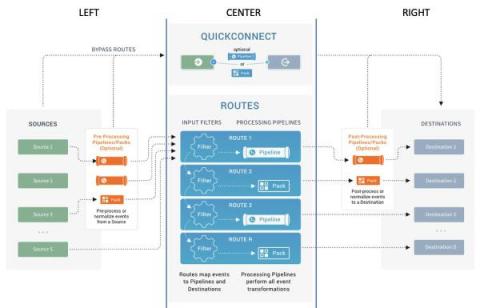
Left, Right, Center: A 3 Step Dance to Success with Building Data Pipelines

Remember the first time you were at a wedding, or a party and you learned about dances like The Electric Slide? You know, those dances with a clear structure and steps to follow, which were a huge help to someone who was slightly challenged on the dance floor, like me? All you had to do was learn a few simple steps, and you could hang with even the best dancers.

Azure App Service Autoscaling: Steps to Configure

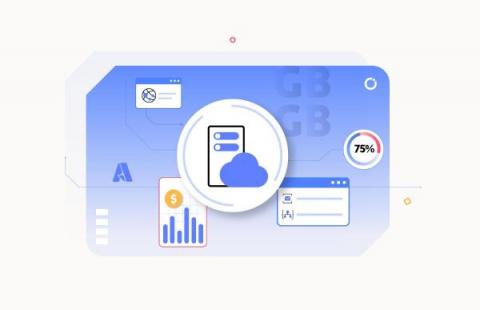
Azure App Service is a platform as a service (PaaS) offering from Microsoft Azure that allows developers to quickly build, deploy, and scale web apps and APIs on Azure. Azure App Service is designed to be highly scalable, allowing you to easily scale your application to meet changing traffic demands. One of its most important features is auto-scaling, which allows your application to automatically adjust the number of instances it’s running based on changes in traffic or demand.

SQL vs. NoSQL Today: Databases, Differences & When To Use Which

SQL and NoSQL are two database technologies widely adopted by many organizations for different use cases. Both technologies share the common goal of efficiently processing and managing data. Still, there are some significant differences. This article compares SQL and NoSQL, exploring their key differences in terms of language, structure, scalability, properties and support. We’ll also discuss examples, pros and cons and the most suitable application areas for each database type.

Leveraging OpenTelemetry to Fix Flaky Integration Tests

At Lumigo, we heavily depend on a set of tests to deploy code changes fast. For every pull request opened, we bootstrap our whole application backend and run a set of async parallel checks mimicking users’ use cases. We call them integration tests. These integration tests are how we ensure: Recently, we changed our old “traditional log traversing” of integration tests into *amazing* OpenTelemetry traces graphs.